Stress & life pressure
Academic and exam pressure, job insecurity, long working hours and financial strain are among the most common triggers in Bangladesh.
Home / Conditions / Anxiety
Anxiety · Bangladesh
Anxiety is one of the most common mental-health concerns in Bangladesh, and one of the most treatable. Whether it is constant worry, panic attacks, social fear or a racing mind at night, you can talk to a licensed psychologist online from anywhere in Bangladesh, or in person in Dhaka.
In plain language: Anxiety treatment in Bangladesh usually starts with talk therapy, mainly cognitive behavioural therapy (CBT), with a licensed psychologist, online from anywhere in the country or in person in Dhaka. A psychiatrist adds medicine only when anxiety is severe or does not ease with therapy. Anxiety becomes a disorder when worry is excessive, hard to switch off, and starts affecting your sleep, work or relationships. It is real, common and highly treatable, and most people feel a genuine difference within a few sessions.
The basics
Anxiety is your body’s natural response to stress or perceived danger: a feeling of worry, fear or unease that everyone feels sometimes.
A little anxiety is useful: it sharpens focus before an exam or a big presentation. It becomes a disorder when the worry is excessive, out of proportion to the situation, hard to control, and starts interfering with daily life. What keeps it going is often a cycle: a worrying thought sets off physical alarm (racing heart, tight chest, shallow breathing), which feels like proof that something is wrong, so you avoid the trigger. Avoidance brings relief for a moment, but teaches the brain the situation was dangerous, and the fear grows.
In Bangladesh, anxiety is often described as constant tension or chinta, and dismissed as weakness or over-thinking. It is neither. Anxiety disorders are the most common mental disorders in the world, affecting an estimated 470 million people in 2023, according to the World Health Organization. They are medical, and among the most treatable of all mental-health concerns. You are not overreacting, and you do not have to manage it alone.
How anxiety works
Escaping a feared situation brings fast relief, which teaches the brain the danger was real. Staying with it, step by step and with support, lets anxiety rise, peak and fall on its own.
Illustration based on the exposure model used in cognitive behavioural therapy. Not to scale.
Why it happens
Anxiety rarely has a single cause. It usually builds from a mix of biology and life circumstances, and understanding your own triggers is one of the first things a psychologist works on with you.
Academic and exam pressure, job insecurity, long working hours and financial strain are among the most common triggers in Bangladesh.
Pressure around marriage, career choices, constant comparison and fear of judgement can keep the mind on high alert.
A family history of anxiety, a naturally sensitive nervous system and the brain’s stress chemistry all play a part.
Loss, abuse, accidents or a frightening health scare can leave the body stuck in a state of alarm.
Poor sleep, too much caffeine, and endless scrolling and comparison on social media all quietly feed anxiety.
Thyroid issues, some medications and major hormonal changes can trigger or worsen anxiety and are worth ruling out.
How it shows up
Anxiety shows up in the body, the mind and behaviour. You may notice some of these more than others.
Everyone feels anxious sometimes, it is part of being human. It is worth talking to a psychologist when worry is hard to switch off on most days for a few weeks, when you start avoiding places, people or tasks because of it, or when sleep, study, work or family life begin to suffer.
Take the free 2-minute self-check →Not one single thing
“Anxiety” is an umbrella term. Naming the pattern matters, because treatment is tailored to the type. Each guide below explains one in depth.
Persistent, hard-to-control worry about many everyday things, often with physical tension and poor sleep.
Sudden, intense waves of fear with a pounding heart and breathlessness, and a growing fear of the next attack.
Intense fear of being judged or watched, which can make speaking up, meetings or gatherings feel overwhelming.
Strong, focused fear of a particular thing or situation, such as heights, flying, injections or animals.
Persistent worry about having a serious illness, often with repeated checking, tests or seeking reassurance.
Unwanted thoughts that will not leave, and rituals done to calm them, including religious and relationship OCD.
Going over the same thoughts again and again, especially at night, without reaching a decision or relief.
Looking successful and calm on the outside while running on constant pressure, worry and self-criticism inside.
Long-running pressure from work, study or family that leaves you exhausted, tense and unable to switch off.
Not sure which one fits? Read how an anxiety attack differs from a panic attack, or take the 2-minute self-check before you book.
Getting better
For most people, talk therapy is the first-line treatment, and it works.
Online counselling with a clinical psychologist, especially Cognitive Behavioural Therapy (CBT), helps you understand your triggers, calm your body, and change the thinking patterns that feed anxiety. Depending on your situation, a psychologist may also draw on Acceptance & Commitment Therapy, mindfulness-based approaches, or exposure work for panic and phobias. For severe or persistent anxiety, a psychiatrist may add medication for a period alongside therapy. You do not have to choose the path alone; a first session helps you work out what will actually help.
The evidence is strong. A review of 41 placebo-controlled trials found CBT worked better than placebo across anxiety disorders, with the largest effects for OCD and generalised anxiety (Carpenter et al., 2018), and the NHS notes that a course of CBT is usually between 5 and 15 sessions (NHS).
Care in Bangladesh
Anxiety is common here, but very few people get help for it. That gap is what we want to close.
A nationwide survey of 7,270 adults found that 4.7% of adults in Bangladesh had an anxiety disorder (Alam et al., 2024). For generalised anxiety disorder, only 3.9% of people who had it had ever sought professional help (Sarkar et al., 2025). Most people try to push through, rely on reassurance from family, or go from one medical test to another because of chest pain, palpitations or stomach trouble that turn out to be anxiety.
These are the main routes to anxiety treatment in Bangladesh:
Whichever route you choose, check that the person is a trained, qualified psychologist or psychiatrist, that sessions are private, and that you can talk in the language you think in. At Chum Wellness you can compare psychologists by experience, language and fee before you book.
What to expect
Recovery does not mean the total absence of worry; it means anxiety no longer runs your life.
You learn your own early warning signs, so they no longer catch you off guard.
Breathing, grounding and thought-testing skills to settle your body and mind in the moment.
Slowly and safely approaching the situations you had been avoiding, until they feel manageable.
Sleeping better, concentrating better, and carrying skills you keep for life.
If you or someone you know is having a severe panic attack that will not settle, or is thinking about self-harm, this is a medical emergency. Call 999 (national emergency) or go to the nearest hospital. Online counselling is not a crisis service.
Fees
Fees depend on the psychologist’s seniority. Student sessions are ৳1,000, and the exact fee is shown on each psychologist’s profile before you book, with no hidden charges.
Who can help
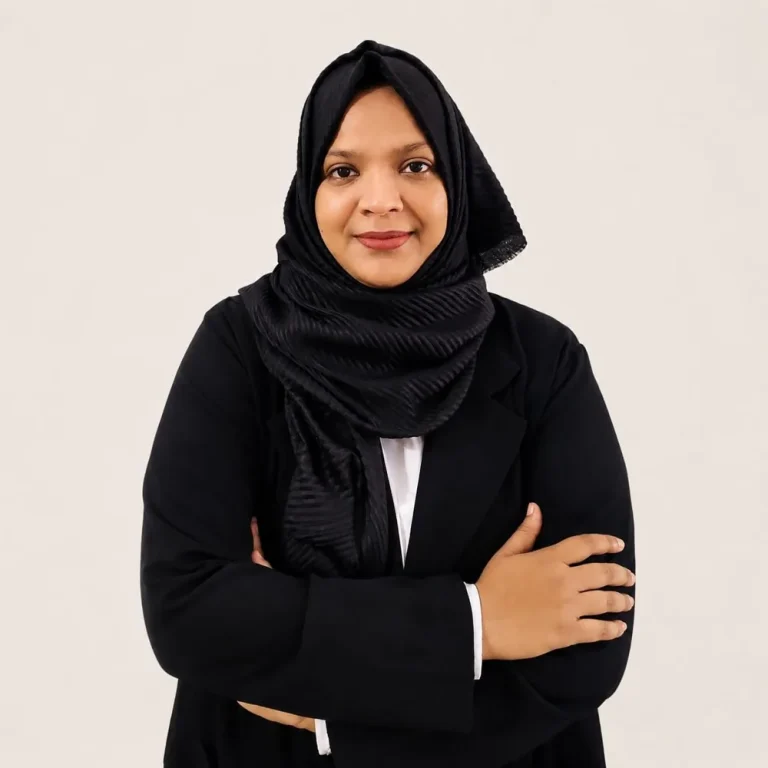
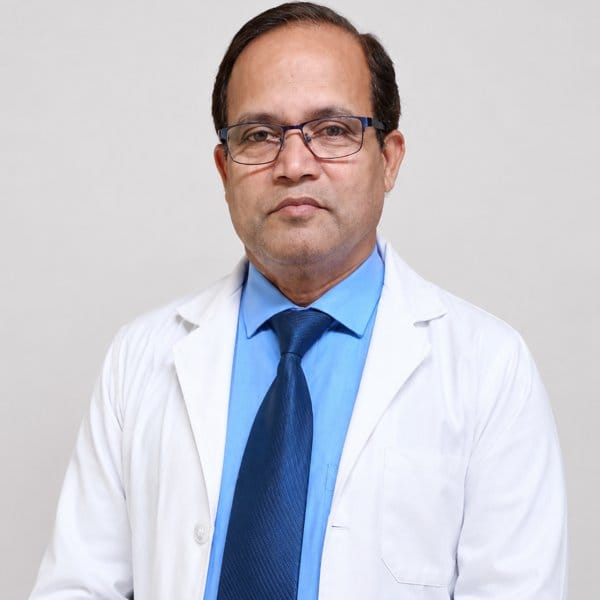
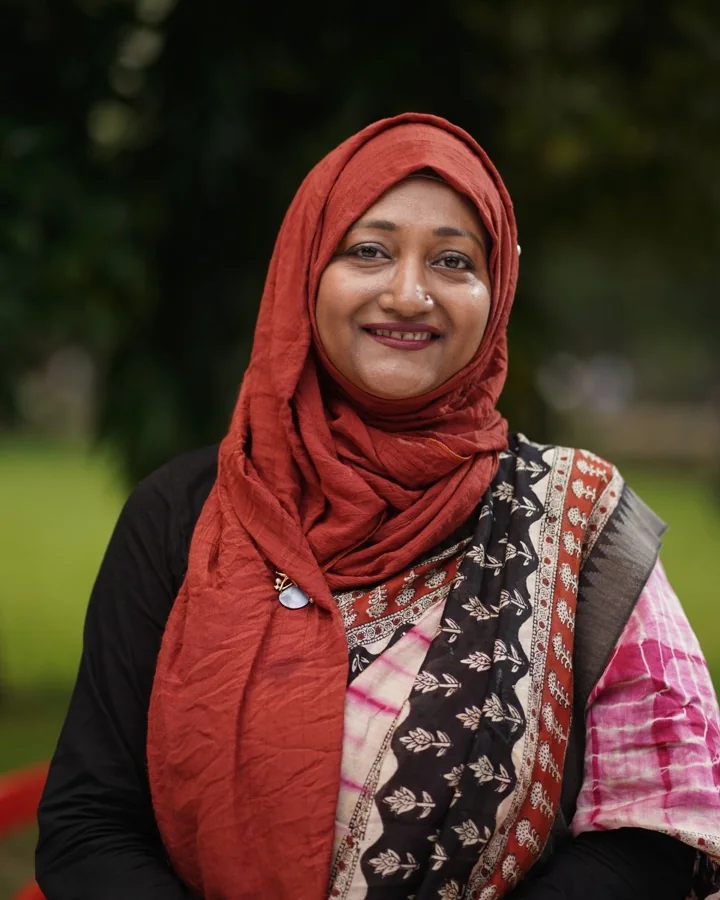
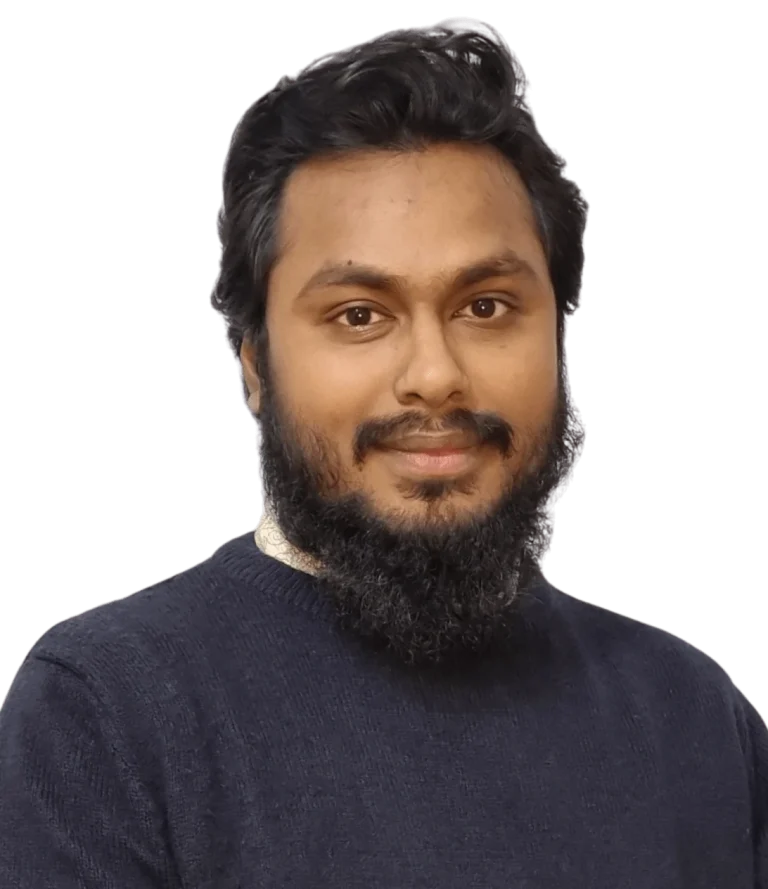
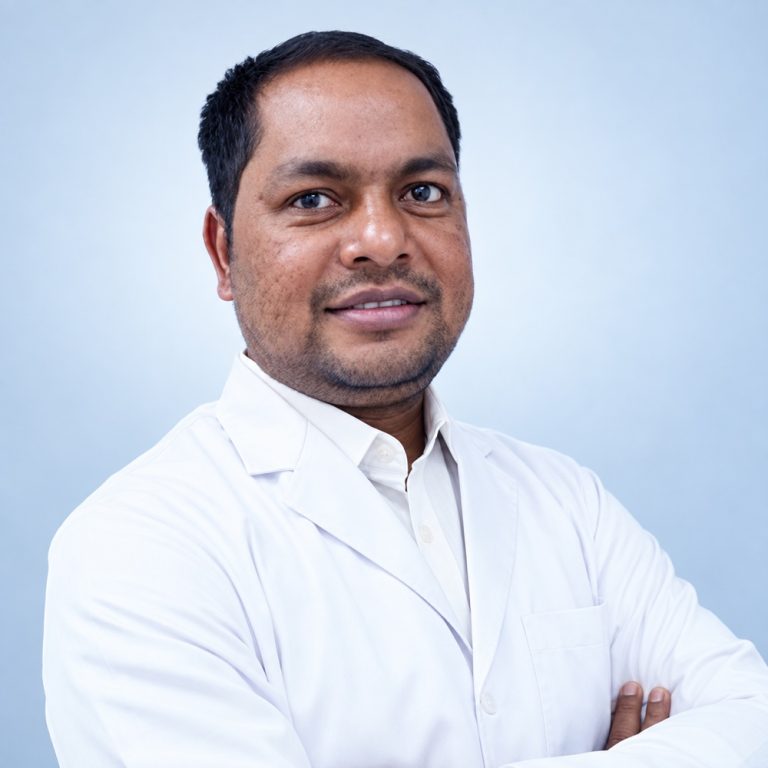
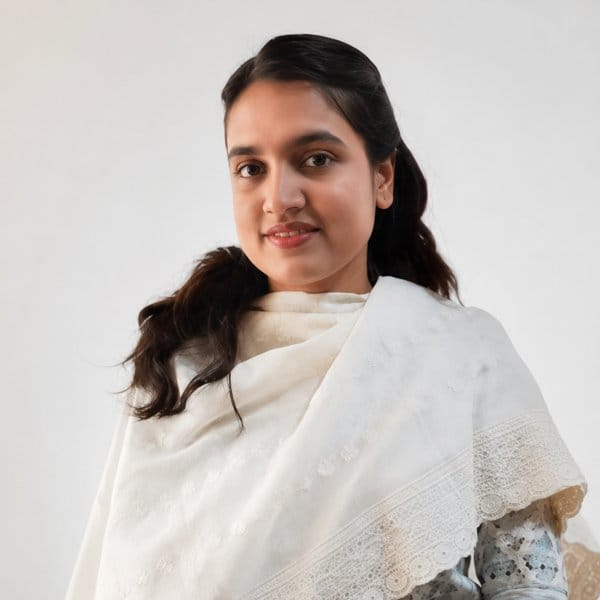
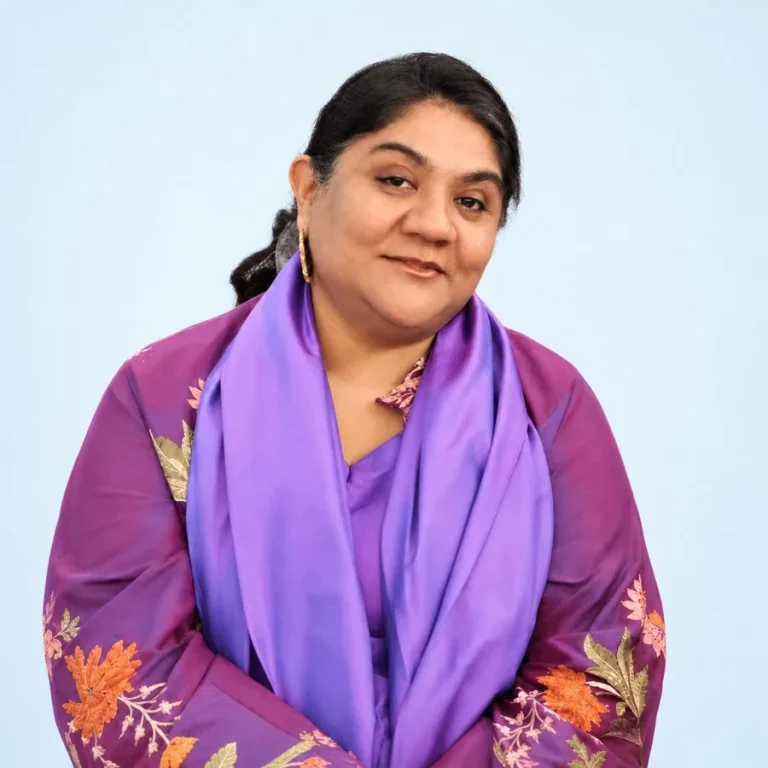
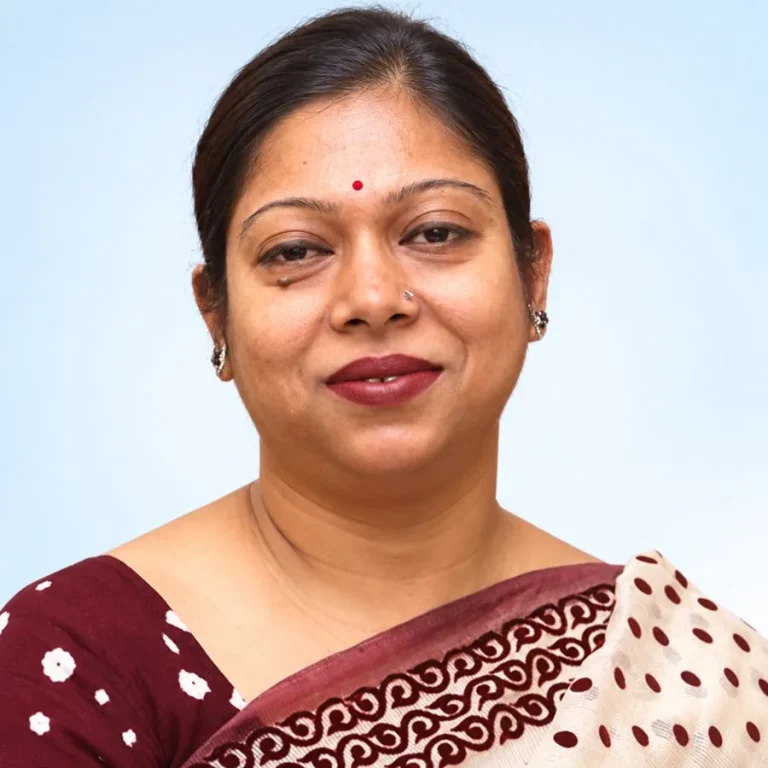
These licensed professionals list experience with anxiety. Not sure who fits? Tell us what is going on and we will match you.
Clinical Psychologist
Speaks Bangla, English
Clinical Psychologist
Speaks Bangla, English
Assistant Clinical Psychologist
Speaks Bangla
Senior Clinical Psychologist
Speaks Bangla, English
Senior Clinical Psychologist
Speaks Bangla
Not sure who to choose? See the top 10 best psychologists in Dhaka →
বাংলায়
সবসময় দুশ্চিন্তা হওয়া, বুক ধড়ফড় করা, ঘুম না আসা বা হঠাৎ ভয়ের ঢেউ, এগুলো অ্যাংজাইটির সাধারণ লক্ষণ। উদ্বেগ একটি বাস্তব সমস্যা, আর এটি চিকিৎসায় ভালো হয়। একজন প্রশিক্ষিত সাইকোলজিস্টের সাথে কথা বলে, বিশেষ করে সিবিটি থেরাপির মাধ্যমে, বেশিরভাগ মানুষ অল্প কিছু সেশনেই স্বস্তি পান। চাম ওয়েলনেসে বাংলা বা ইংরেজিতে অনলাইন কাউন্সেলিং নেওয়া যায় সারা বাংলাদেশ থেকে।
বাংলায় পড়ুন: অ্যাংজাইটি ডিসঅর্ডার কি, দুশ্চিন্তা কমানোর উপায়, প্যানিক অ্যাটাক কি, শুচিবায়ু বা ওসিডি এবং সোশ্যাল অ্যাংজাইটি।
Anxiety support in Dhaka
If you are searching for anxiety therapy or anxiety counselling in Dhaka, the support at Chum Wellness pairs evidence-based methods such as CBT with a calm, practical approach to worry, panic and overthinking. Sessions are available in Bangla and English, online or in person.
Anxiety therapy and anxiety counselling mean the same thing here: working with a trained psychologist to understand your triggers and build tools you can actually use. You can book a session and we will match you with the right specialist.
Questions
Everyday worry comes and goes and fits the situation. Anxiety becomes a concern when it is excessive, hard to control, lasts for weeks, and interferes with your sleep, work or relationships. A psychologist can help you tell the difference in a single session.
Yes. For most people, talk therapy, especially CBT, is the first-line treatment and works well on its own. Medication is added only for severe or persistent anxiety, and that decision is made with a psychiatrist.
Yes. Research shows online counselling works as well as in-person sessions for anxiety, and it is private and available from anywhere in Bangladesh, in Bangla or English.
Many people notice meaningful relief within a few sessions, and shorter-term concerns often improve within a planned course of therapy. More long-standing anxiety can take longer, and your psychologist reviews progress with you rather than continuing indefinitely.
For most types of anxiety, the best-supported first treatment is CBT with a qualified psychologist, usually over 5 to 15 sessions. If anxiety is severe, has lasted a long time or comes with depression, a psychiatrist may add medicine alongside therapy. Both are available online across Bangladesh.
Start with a psychologist if anxiety is affecting your life but you can still work, study and sleep reasonably. See a psychiatrist if panic attacks are frequent, you cannot function, you also feel very depressed, or therapy alone has not helped. Many people see both.
Private sessions usually cost about ৳1,000–৳4,500 depending on the psychologist’s seniority, and student sessions are ৳1,000. The exact fee is shown before you book.
Yes. Many of our psychologists work in Bangla, English or a mix, so you can talk in whichever language feels most natural to you.
Yes. Sessions are private and confidential. What you discuss with your psychologist stays between you, within the normal professional and legal limits that protect your safety.
Yes. Anxiety therapy and anxiety counselling describe the same support at Chum Wellness: structured, evidence-based sessions with a psychologist to manage worry, panic and physical tension. The names are used interchangeably.
Yes. Our psychologists use grounding, breathing and CBT-based tools for panic attacks and health anxiety, and help you recognise triggers before they escalate. Support is available online or in person.
Many people notice small shifts within a few sessions as they learn practical tools, though lasting change builds over time. We move at a pace that feels comfortable and never make exaggerated promises.
Read more
Practical, Bangladesh-specific reading from the Chum blog on this topic.
Take the first step
Book a confidential session with a licensed psychologist who works with anxiety, or browse verified specialists across Bangladesh, online anywhere, or in person in Dhaka.
 Chum WellnessTypically replies within minutes