Reliving it
Flashbacks, intrusive memories or nightmares that feel real.
Home / Conditions / Trauma & PTSD
Trauma & PTSD · Bangladesh
Flashbacks, nightmares, feeling on edge, or numb after a frightening or painful experience: these are signs of trauma, and they can heal. Work with a licensed, trauma-trained psychologist online nationwide, or in person in Dhaka.
In plain language: Trauma therapy and PTSD treatment in Bangladesh are available online from anywhere in the country, and in person in Dhaka, with licensed psychologists trained in trauma work. The main treatments are trauma-focused talking therapies, especially trauma-focused CBT and EMDR, usually over about 8 to 12 sessions after a first assessment. After something overwhelming, the brain can get “stuck”, storing the memory as if the danger is still happening. Therapy helps the brain process it properly, so the past stays in the past and stops controlling your present.
The basics
Trauma is the lasting effect of a deeply distressing event. Post-Traumatic Stress Disorder (PTSD) is one way that effect can show up.
After an accident, assault, abuse, disaster, medical emergency, or loss, it is normal to feel shaken for a while. For some people the distress does not fade: the memory stays raw, intrudes as flashbacks or nightmares, and the body stays on high alert. This is PTSD. Trauma can also come from long-term experiences like ongoing abuse or neglect (often called complex trauma). In Bangladesh, trauma from road accidents, gender-based violence, childhood adversity and disaster is common but rarely talked about. Trauma is not weakness, and it is not permanent; with the right therapy, the brain can heal.
Around 70% of people worldwide live through a potentially traumatic event at some point, but only a minority go on to develop PTSD, and feeling supported afterwards lowers the risk (World Health Organization). The burden here is real: in a study of women in Dhaka’s urban slums who had faced violence from a partner, about one in five (21%) had PTSD (Koly et al., 2025). For a full list of symptoms, read our guide to PTSD signs, causes and recovery.
How trauma affects the nervous system
After trauma the zone in which you can think, feel and stay present often shrinks, so everyday stress tips you into overdrive or shutdown. Trauma therapy gradually widens that window.
Based on the window of tolerance described by Daniel Siegel (1999). Illustration, not to scale.
How it shows up
Flashbacks, intrusive memories or nightmares that feel real.
Feeling jumpy, easily startled, irritable or unable to relax.
Steering clear of reminders, places, people or talking about it.
Feeling detached, blank, or cut off from others and emotions.
Guilt, shame, or a sense the world is unsafe and it was your fault.
Trouble sleeping, concentrating, or controlling emotions.
Strong reactions in the days and weeks after a frightening event are common, and for many people they ease with time and support. If flashbacks, nightmares, feeling on edge or feeling numb last longer than a month, or get in the way of daily life, it is a good time to speak to a trauma-trained psychologist. You never have to share details before you are ready.
See psychologists who help with trauma →Getting better
Trauma is highly treatable with specialised, paced therapy, and you never have to rush.
Effective options include Trauma-Focused CBT and EMDR, which help the brain reprocess stuck memories so they lose their charge. Good trauma therapy always begins with safety and stabilisation (grounding and coping skills) before any memory work, and moves entirely at your pace. For some, a psychiatrist may support with medication for sleep or mood alongside therapy. Healing does not mean forgetting; it means the memory no longer controls you.
What we help with
Trauma is not one thing. What happened, how long it went on and how old you were all shape the work. Each guide below explains one kind in depth.
An assault, a fire, a sudden death or a frightening medical emergency that keeps replaying.
Fear of buses, CNGs or crossing the road, flashbacks of the crash, and guilt if others were hurt.
Harm that went on for months or years, which can affect self-worth, trust and emotions.
Abuse, neglect or chaos at home that still shapes how you love, argue and trust as an adult.
Growing up with constant criticism, control or fear, and finding your footing as an adult.
Physical, emotional or financial abuse at home, and planning for safety and support (Bangla guide).
Sudden waves of fear set off by a sound, a smell or a place, and how to ground yourself.
A sudden or violent death of someone close, where grief and shock are tangled together.
Wondering what actually happens in the room? Read how trauma therapy works.
Care in Bangladesh
What trauma therapy involves here, from the first session to the last.
Your first session covers what you are struggling with now, your sleep, your safety and your support. You do not have to tell the whole story on day one.
Works on the memory and the beliefs it left behind, such as “it was my fault” or “nowhere is safe”. Offered by psychologists on our team who are trained in trauma work.
Helps the brain reprocess a stuck memory with less retelling. It is offered by psychologists on our team who are trained in it, so mention EMDR when you book.
Secure video sessions from anywhere in Bangladesh or abroad, or in person in Dhaka and some other cities. Your psychologist first checks that online trauma work is right for you.
Talk in the language you think and feel in. Painful memories are often easier to put into words in your first language.
Sessions usually cost ৳1,000–৳4,500 depending on the psychologist, and the exact fee is on each profile before you book.
The World Health Organization names trauma-focused CBT and EMDR as the psychological treatments with the most evidence for PTSD. The UK’s NICE guideline on PTSD recommends both for adults, typically over 8 to 12 sessions, and more after multiple traumas. Sessions are usually weekly or every two weeks. The NHS also notes that PTSD can be treated successfully even when it starts many years after the event.
What to expect
Building grounding and coping skills so you feel steady.
Gently reprocessing the trauma with EMDR or trauma-focused CBT.
Letting go of guilt and shame, and restoring a sense of safety.
Sleeping better, feeling present, and re-engaging with life.
If you are having thoughts of harming yourself, or you feel unsafe, this is a medical emergency. Call 999 (national emergency) or go to the nearest hospital. Online counselling is not a crisis service.
Fees
Fees depend on the psychologist’s seniority and trauma training. Student sessions are ৳1,000, and the exact fee is shown on each profile before you book, with no hidden charges.
Who can help
These licensed professionals list experience with trauma and PTSD. Not sure who fits? Tell us what is going on and we will match you.
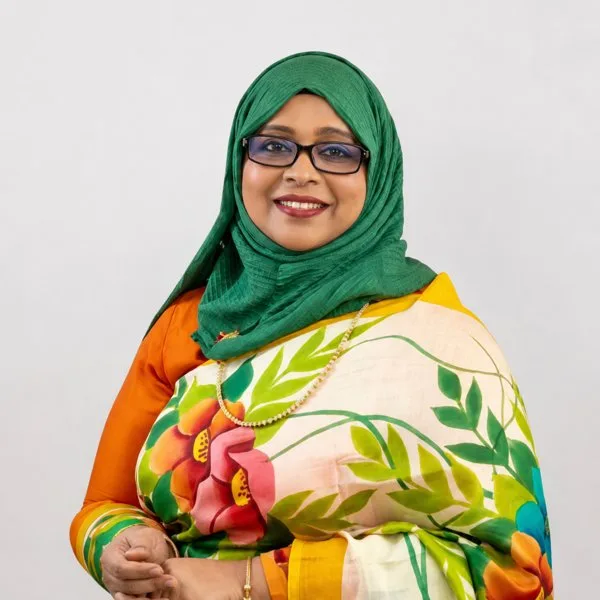
Senior Clinical Psychologist
Speaks Bangla, English
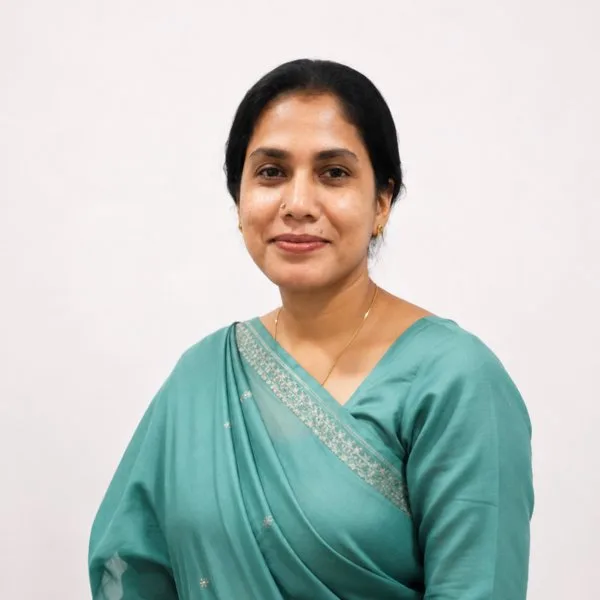
Clinical Psychologist
Speaks Bangla, English
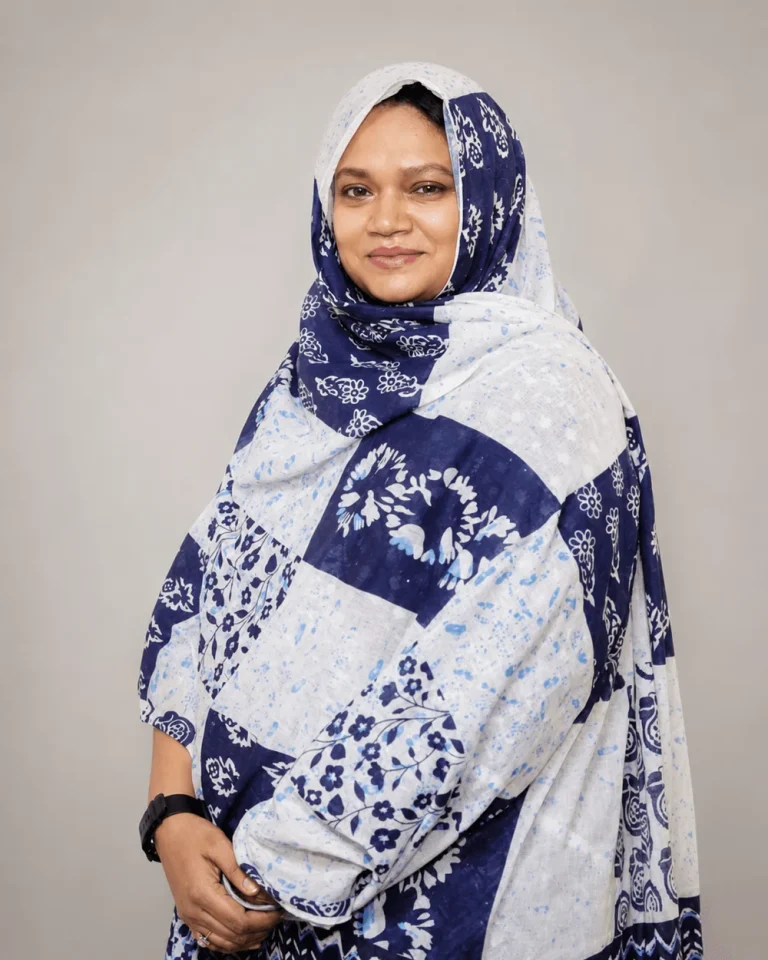
Senior Clinical Psychologist
Speaks Bangla, English
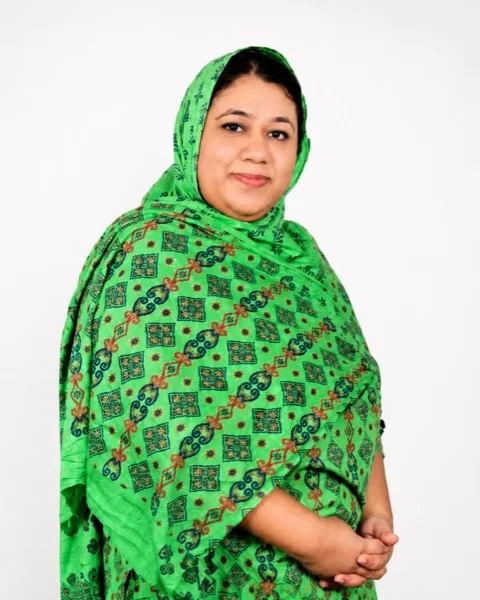
Clinical Psychologist
Speaks Bangla, English
Assistant Clinical Psychologist
Speaks Bangla
Clinical Psychologist
Speaks Bangla
Clinical Psychologist
Speaks Bangla, English
বাংলায়
ভয়ংকর বা কষ্টদায়ক ঘটনার পর বারবার সেই স্মৃতি ফিরে আসা, দুঃস্বপ্ন, সবসময় আতঙ্কে থাকা বা অসাড় অনুভব করা, এগুলো ট্রমা বা পিটিএসডির লক্ষণ। এটি দুর্বলতা নয়, আর সঠিক থেরাপিতে ভালো হয়। ইএমডিআর ও ট্রমা-ফোকাসড সিবিটি এতে কার্যকর। চাম ওয়েলনেসে বাংলা বা ইংরেজিতে অনলাইন কাউন্সেলিং নেওয়া যায় সারা বাংলাদেশ থেকে।
বাংলায় পড়ুন: মানসিক ট্রমা কি, ছোটবেলার ট্রমা এবং ট্রমা বন্ডিং কি।
Questions
Not before you are ready, and not always in full detail. Good trauma therapy starts with safety and coping skills, and approaches like EMDR need less verbal retelling than traditional talk therapy. You stay in control of the pace.
Trauma is highly treatable. With trauma-focused therapy, most people see a major reduction in flashbacks, anxiety and avoidance, and many recover fully.
Therapy helps whether the trauma was recent or years ago, including complex or childhood trauma. It is never too late to heal.
Many people recover with therapy alone. A psychiatrist may help with sleep or mood alongside therapy for some, and that is always discussed with you first.
Yes. EMDR is offered by a small number of psychologists in Bangladesh who have completed EMDR training, including some on the Chum team, online and in person. Trauma-focused CBT is more widely available and is equally well supported by evidence, so your psychologist will suggest what fits you.
For trauma linked to a single event, trauma-focused CBT and EMDR are typically given over 8 to 12 sessions. Repeated, long-term or childhood trauma usually needs longer, often starting with a few sessions focused only on safety and coping skills.
Yes. Many Chum psychologists work in Bangla or English, online from anywhere in Bangladesh, with in-person sessions in Dhaka. Suitability of online trauma work is assessed first.
Private sessions usually cost about ৳1,000–৳4,500 depending on seniority, and student sessions are ৳1,000. The exact fee is shown before you book.
Read more
Practical, Bangladesh-specific reading from the Chum blog on this topic.
Take the first step
Book a confidential session with a licensed, trauma-trained psychologist, or browse verified specialists across Bangladesh, online anywhere, or in person in Dhaka.
 Chum WellnessTypically replies within minutes