Contamination & washing
Fear of germs, dirt or illness, with repeated washing, cleaning or avoiding “unclean” things.
Home / Conditions / OCD
OCD · Bangladesh
Obsessive-Compulsive Disorder is more than being tidy or careful — it is a cycle of intrusive thoughts and the rituals used to quiet them. It is common in Bangladesh, often misunderstood, and highly treatable. Talk to a licensed psychologist online nationwide, or in person in Dhaka.
In plain language: OCD traps you in a loop — an unwanted thought (obsession) spikes anxiety, so you do something (a compulsion) to feel safe. The relief never lasts, so the loop repeats. Therapy, especially ERP, teaches your brain that the fear fades on its own without the ritual.
The basics
OCD has two parts that feed each other: obsessions and compulsions.
Obsessions are unwanted, intrusive thoughts, images or urges that cause intense distress — a fear of contamination, of harming someone, of having sinned, or that something terrible will happen. Compulsions are the repeated actions or mental rituals done to relieve that distress: washing, checking, counting, praying in a fixed way, seeking reassurance, or mentally “undoing” a thought.
The cruel trick of OCD is that compulsions work — briefly. The anxiety drops, so the brain learns the ritual kept you safe, and the urge to repeat it grows stronger. Over time the rituals eat into hours of the day. In Bangladesh, OCD is often mistaken for being extra religious, extra clean or extra careful, which delays help. Having intrusive thoughts does not make you a bad or impure person — it is a well-understood medical condition, and it responds very well to the right therapy.
How OCD works
Each ritual brings a moment of relief, so the brain learns it must repeat it. Exposure and response prevention (ERP) breaks the loop between the anxiety and the ritual.
Based on the cognitive behavioural model of OCD and exposure and response prevention (ERP). Illustration.
Is this you?
Many people in Bangladesh live with OCD for years before they have a name for it. These are some of the most common signs.
Recognising a few of these does not mean you have OCD, only a licensed psychologist can assess that. If rituals take up a lot of your day, or get in the way of study, work, prayer or family life, it is a good time to talk to someone.
Take the free 2-minute self-check →Common themes
OCD attaches to whatever matters most to a person. These are some of the common themes we see.
Fear of germs, dirt or illness, with repeated washing, cleaning or avoiding “unclean” things.
Doubts about locks, gas, switches or mistakes, driving repeated checking to prevent disaster.
Intrusive fears about sin, prayer being “not counted” or being a bad person — common where faith is central, and often hidden out of shame.
Unwanted violent, sexual or blasphemous images that horrify the person — who would never act on them.
A need for order, balance or things to feel exactly right, with arranging or repeating until they do.
Constant doubt about relationships or decisions, with endless reassurance-seeking that never settles.
Why it happens
OCD comes from a mix of factors — not from weak faith or bad character.
Getting better
OCD is one of the most treatable anxiety-related conditions with the right, specialised approach.
The gold-standard therapy is Exposure and Response Prevention (ERP), a specialised form of CBT. In ERP you gradually and safely face the fear without doing the compulsion, so your brain learns the anxiety falls on its own and the feared disaster does not happen. It is done in small, planned steps, always at your pace. For severe OCD, a psychiatrist may add medication alongside therapy. Reassurance and “just stop thinking about it” do not work — specialised therapy does.
What to expect
Mapping your specific obsessions and compulsions, without shame, so the pattern is clear.
Ranking feared situations from easiest to hardest, to work through step by step.
Practising ERP so anxiety rises and then falls on its own, without the compulsion.
Rituals shrink, hours return, and doubt loosens its grip on daily life.
If intrusive thoughts include thoughts of harming yourself or others and you feel unsafe, treat it as a medical emergency. Call 999 or go to the nearest hospital. Online counselling is not a crisis service.
Fees
Fees depend on the psychologist’s seniority and experience with OCD and ERP. Student sessions are ৳1,000, and the exact fee is shown on each profile before you book — no hidden charges.
Who can help
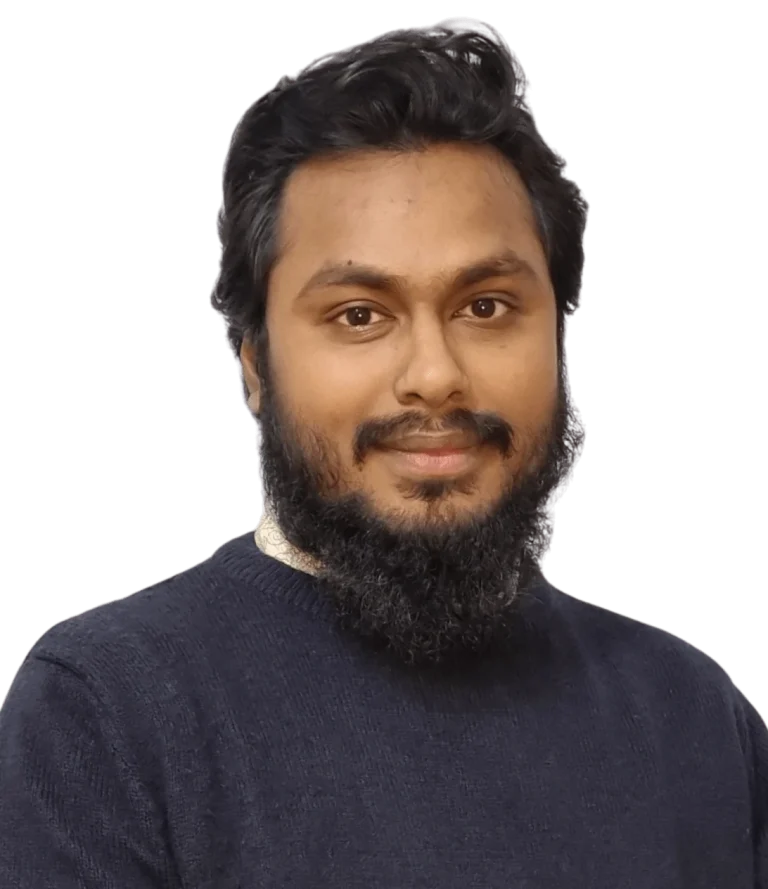
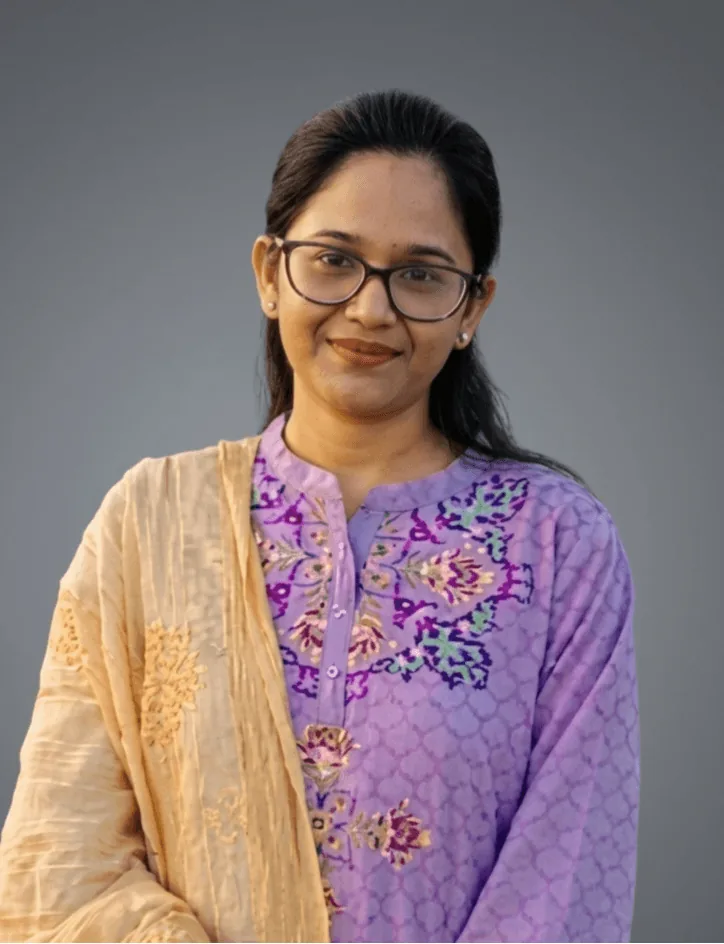
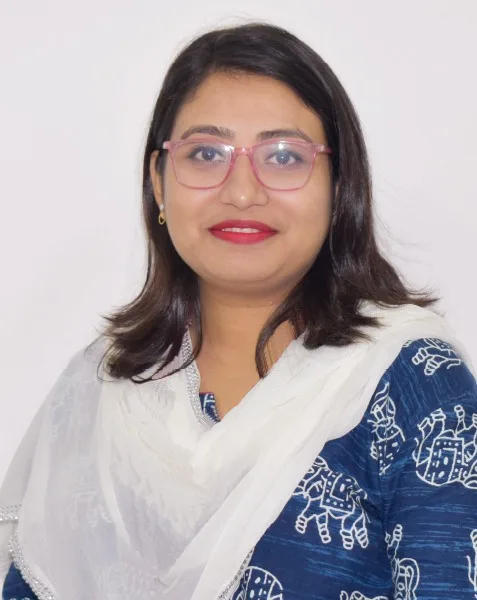
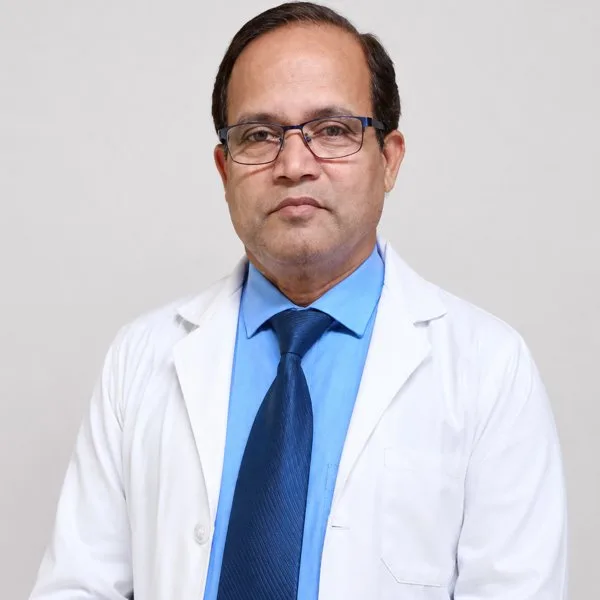
These licensed professionals list experience with OCD. Not sure who fits? Tell us what is going on and we will match you.
Senior Clinical Psychologist
Speaks Bangla
Clinical Psychologist
Speaks Bangla, English
Senior Clinical Psychologist
Speaks Bangla, English
Clinical Psychologist
Speaks Bangla, English
Clinical Psychologist
Speaks Bangla, English
Assistant Clinical Psychologist
Speaks Bangla
বাংলায়
বারবার একই চিন্তা মাথায় আসা, আর সেই অস্বস্তি কমাতে বারবার একই কাজ করা — যেমন বারবার হাত ধোয়া, তালা চেক করা, বা মনে মনে দোয়া/গোনা — এগুলো ওসিডির লক্ষণ। এটি বেশি ধার্মিক বা বেশি পরিষ্কার হওয়া নয়, এটি একটি চিকিৎসাযোগ্য মানসিক সমস্যা। ইআরপি (ERP) থেরাপির মাধ্যমে বেশিরভাগ মানুষ অনেক ভালো হন। চাম ওয়েলনেসে বাংলা বা ইংরেজিতে অনলাইন কাউন্সেলিং নেওয়া যায় সারা বাংলাদেশ থেকে।
Questions
No. Intrusive thoughts are a core symptom of OCD, and they are usually the opposite of what the person values — that is exactly why they cause so much distress. Having them does not mean you want them or will act on them.
No. Washing is only one theme. OCD also shows up as checking, religious or moral fears, taboo thoughts, symmetry, and constant reassurance-seeking. Many people with OCD never wash excessively at all.
OCD is highly treatable. With ERP, most people greatly reduce their symptoms and get their time and freedom back. Skills learned in therapy help keep it managed long term.
ERP (Exposure and Response Prevention) gently helps you face fears without doing the ritual, which retrains the brain. General talk therapy or reassurance can accidentally feed OCD, so specialised ERP-informed care matters.
Yes. Many Chum psychologists work in Bangla or English, online from anywhere in Bangladesh, with in-person sessions in Dhaka.
Private sessions usually cost about ৳1,000–৳4,500 depending on seniority, and student sessions are ৳1,000. The exact fee is shown before you book.
Read more
Practical, Bangladesh-specific reading from the Chum blog on this topic.
Take the first step
Book a confidential session with a licensed psychologist experienced in OCD and ERP, or browse verified specialists across Bangladesh — online anywhere, or in person in Dhaka.
 Chum WellnessTypically replies within minutes