Preoccupation with food
Constant thoughts about eating, weight, calories or body shape.
Home / Conditions / Eating disorders
Eating disorders · Bangladesh
A difficult relationship with food, weight or your body — restricting, bingeing, purging or obsessive control — is more than about eating, and it is treatable. Work with a licensed psychologist online nationwide, or in person in Dhaka.
In plain language: Eating disorders are serious mental-health conditions, not vanity or a phase. They are usually a way of coping with painful emotions through control over food and body. Recovery is possible with the right support — and earlier help makes it easier.
The basics
Eating disorders are conditions in which thoughts and behaviours around food, weight and body shape become distressing and harmful.
Common types include anorexia (restricting food, intense fear of weight gain), bulimia (cycles of bingeing and purging), and binge eating disorder (recurrent binges with loss of control). They are rarely really about food — underneath is usually anxiety, low self-worth, trauma, perfectionism or a need for control. In Bangladesh, growing appearance pressure and social-media comparison are fuelling disordered eating, especially among young people, while it often stays hidden. Eating disorders have serious physical risks, so support matters — and with the right help, full recovery is genuinely possible.
How eating difficulties keep going
Strict food rules leave the body and mind hungry, which makes losing control more likely. Guilt then leads to even stricter rules, and the cycle repeats.
Based on the cognitive behavioural model of eating disorders (CBT-E). Illustration.
How it shows up
Constant thoughts about eating, weight, calories or body shape.
Skipping meals, strict rules, or intense fear of weight gain.
Eating large amounts with loss of control, or purging afterward.
Harsh, distorted views of your own body.
Hiding eating, rituals around food, or avoiding eating with others.
Weight changes, tiredness, dizziness or other health effects.
Eating disorders are often missed in Bangladesh, where comments about weight and pressure to eat less, or more, are part of everyday family life. They affect boys and men as well as girls and women. It is worth reaching out early: when thoughts about food, weight or body shape take up much of your day, when eating feels out of control, or when you hide how much or how little you eat. Because eating disorders can affect the heart and body, a medical check-up alongside therapy is a sensible first step.
See psychologists who help with eating disorders →Getting better
Recovery focuses on both the relationship with food and what lies beneath it.
CBT (including CBT-E, designed for eating disorders) is the leading psychological treatment — it addresses the thoughts, rules and behaviours around food and body, and the emotions driving them. Family-based approaches are especially important for younger people. Because eating disorders have medical risks, care may involve a doctor or psychiatrist and, where needed, a dietitian — we can help coordinate. Sessions are private and shame-free. The earlier support begins, the smoother recovery tends to be.
What to expect
A private, non-judgemental space to be honest.
Rebuilding a regular, less fearful relationship with food.
Working on the emotions, control and self-worth underneath.
Freedom from food rules and a kinder view of your body.
Eating disorders can cause medical emergencies. If there is collapse, chest pain, severe weakness, or thoughts of self-harm, call 999 or go to the nearest hospital immediately.
Fees
Fees depend on the psychologist’s seniority. Student sessions are ৳1,000, and the exact fee is shown on each profile before you book — no hidden charges.
Who can help
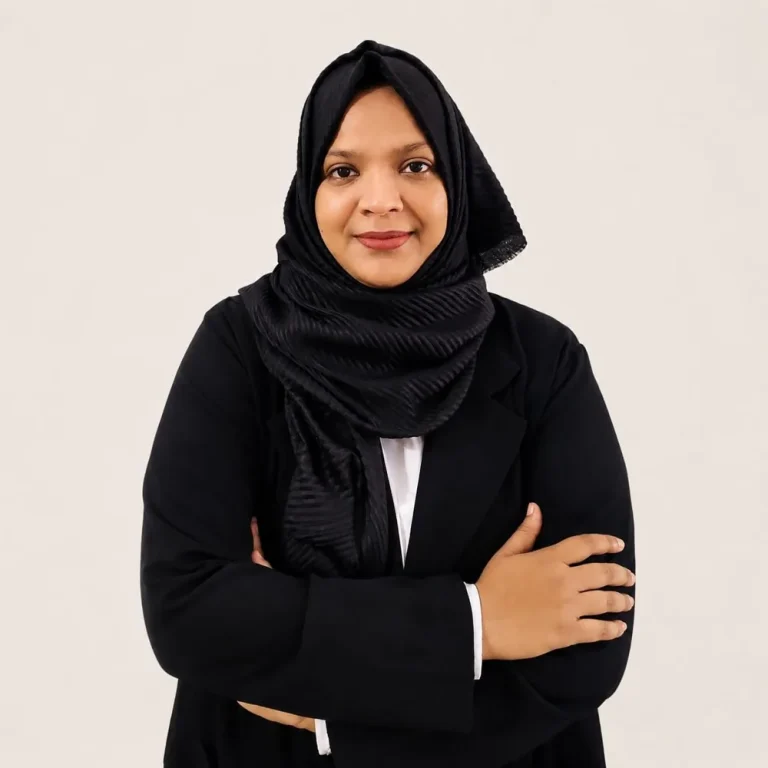
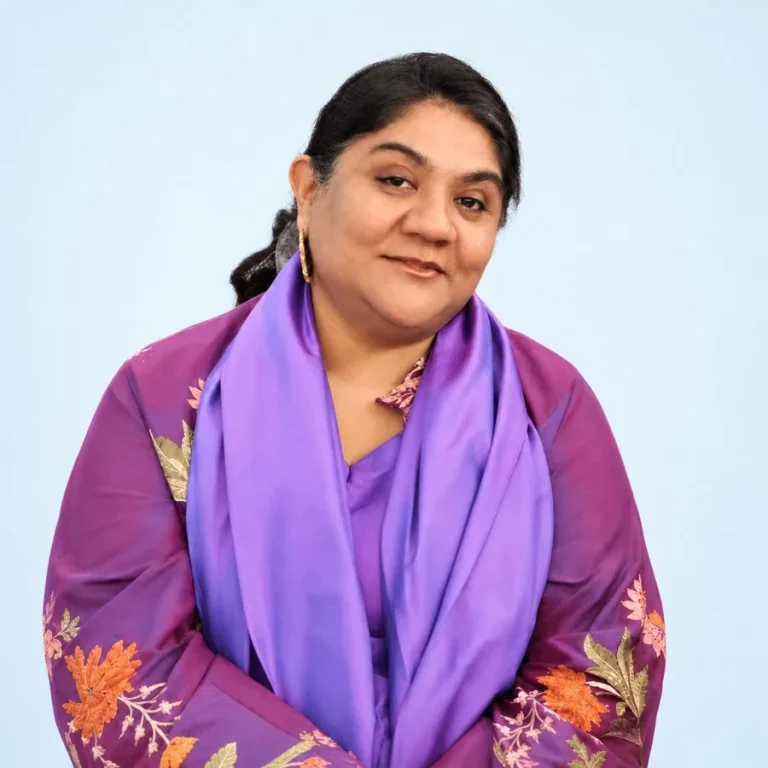
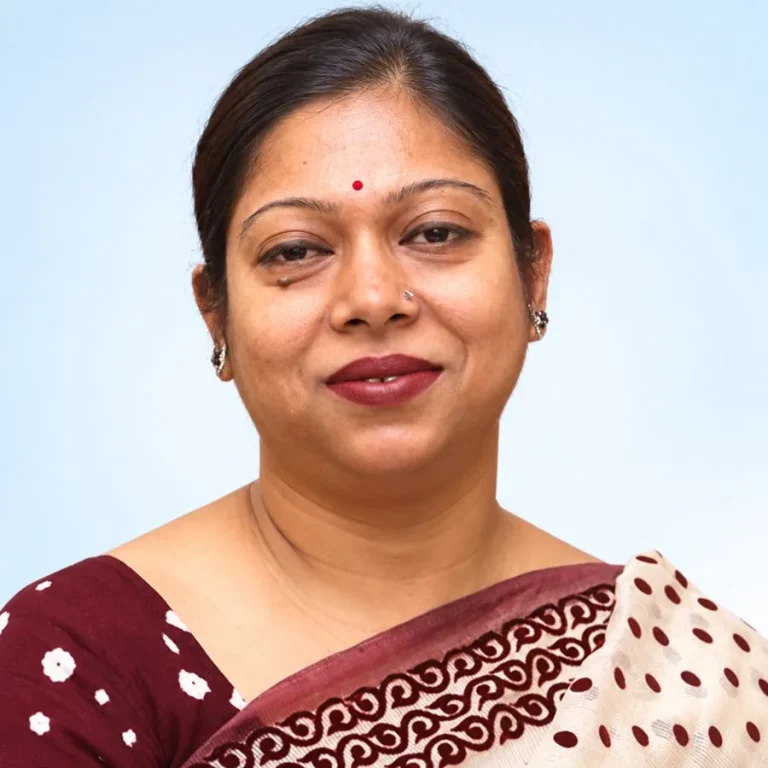
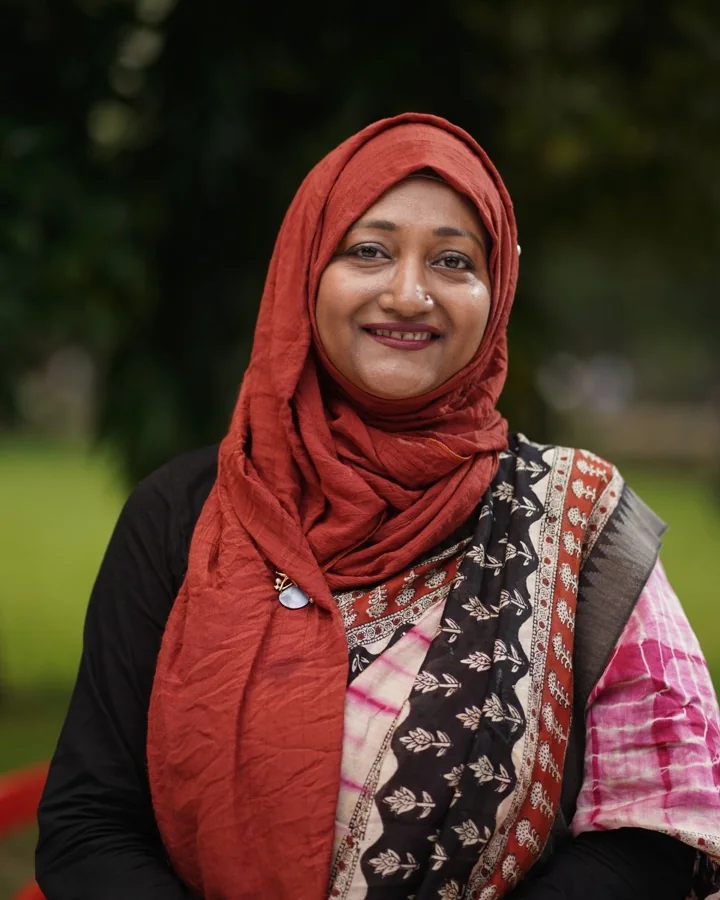
Those who list experience with eating disorders are shown first. Every Chum psychologist can assess what you need and refer you on if a specialist fits better. Not sure who to choose? We will match you.
Senior Clinical Psychologist
Speaks Bangla, English
Senior Clinical Psychologist
Speaks Bangla
Clinical Psychologist
Speaks Bangla, English
Senior Clinical Psychologist
Speaks Bangla, English
Clinical Psychologist
Speaks Bangla, English
Clinical Psychologist
Speaks Bangla, English
Assistant Clinical Psychologist
Speaks Bangla
বাংলায়
খাবার, ওজন বা শরীর নিয়ে কষ্টদায়ক সম্পর্ক — খাওয়া কমিয়ে দেওয়া, অতিরিক্ত খেয়ে ফেলা, বা শরীর নিয়ে অস্বাস্থ্যকর নিয়ন্ত্রণ — এগুলো শুধু খাওয়ার বিষয় নয়, গুরুতর মানসিক স্বাস্থ্য সমস্যা। এটি চিকিৎসাযোগ্য, আর যত আগে সাহায্য নেওয়া যায় তত ভালো। চাম ওয়েলনেসে বাংলা বা ইংরেজিতে অনলাইন কাউন্সেলিং নেওয়া যায় সারা বাংলাদেশ থেকে।
Questions
No. They are serious mental-health conditions, usually a way of coping with painful emotions through control over food and body — not vanity or a phase.
Yes. Full recovery is possible, especially with earlier support. Therapy such as CBT-E is highly effective, and care can be coordinated with medical support when needed.
No. Support covers anorexia, bulimia, binge eating disorder and other difficult relationships with food and body image.
Sometimes. Because eating disorders carry physical risks, care may involve a doctor, psychiatrist or dietitian alongside therapy — we can help coordinate this.
Yes. Many Chum psychologists work in Bangla or English, online from anywhere in Bangladesh, with in-person sessions in Dhaka.
Private sessions usually cost about ৳1,000–৳4,500 depending on seniority, and student sessions are ৳1,000. The exact fee is shown before you book.
Read more
Practical, Bangladesh-specific reading from the Chum blog on this topic.
Take the first step
Book a confidential session with a licensed psychologist who works with eating disorders, or browse verified specialists across Bangladesh — online anywhere, or in person in Dhaka.
 Chum WellnessTypically replies within minutes