Overload
Too much work or study, too little time, and no room to recover between demands.
Home / Conditions / Stress & burnout
Stress & burnout · Bangladesh
Ongoing pressure that never switches off can tip into burnout: exhaustion, cynicism and feeling unable to cope. It is common among students, professionals and caregivers in Bangladesh, and it responds well to support. Talk to a licensed psychologist online nationwide, or in person in Dhaka.
In plain language: Stress and burnout counselling in Bangladesh is available online from anywhere in the country and in person in Dhaka. A psychologist helps you find what is driving the exhaustion and change it, mainly through CBT, acceptance-based therapy and practical work on boundaries and recovery, and most people feel meaningfully better within a short course of sessions. Stress is the body’s response to demand; it becomes a problem when it never lets up. Burnout is what happens after long, unrelieved stress: you feel drained, detached and less capable. Both are reversible with rest, boundaries and the right support.
The basics
Stress and burnout sit on the same line: one is short-term pressure, the other is what happens when that pressure never eases.
Stress is normal and sometimes useful: it helps you meet a deadline or handle a crisis. The problem is chronic stress, meaning pressure that stays switched on for weeks or months with no recovery. The body stays in alarm, and sleep, mood, focus and health all suffer.
Burnout is the state of emotional, mental and physical exhaustion that follows. It has three signs: deep tiredness that rest does not fix, growing cynicism or detachment from work or study, and a sense that you are no longer performing well. In Bangladesh, a culture of long hours, exam pressure, job insecurity and “pushing through” means many people reach burnout before they name it, and rest is often seen as laziness. It is not. Burnout is a signal, not a weakness.
The World Health Organization describes stress as a state of worry or mental tension caused by a difficult situation, and a natural response that everyone has. It recognises burnout in its disease classification, ICD-11, as an occupational phenomenon resulting from chronic workplace stress that has not been successfully managed, marked by exhaustion, mental distance or cynicism about the job, and reduced effectiveness (WHO, 2019). Burnout is not classed as an illness, but it often sits alongside anxiety, poor sleep and low mood, and it deserves proper care. If you are not sure whether it is burnout or something deeper, read burnout vs depression: how to tell the difference.
How stress turns into burnout
Some pressure helps us perform. Burnout builds slowly when pressure stays high and recovery never comes. The earlier you act, the faster you recover.
Best time to get support
Simplified illustration. Burnout is defined by the WHO (ICD-11) as an occupational phenomenon resulting from chronic workplace stress.
Why it happens
Too much work or study, too little time, and no room to recover between demands.
Little say over your workload, schedule or decisions that affect you.
Always-on messaging and work bleeding into evenings, weekends and family time.
Insecurity, supporting family, and fear of falling behind keep the stress response active.
Carrying family, children or unwell relatives with little support of your own.
High standards and difficulty saying no quietly drain your reserves over time.
How it shows up
Busy weeks and tiredness are part of life. It is worth talking to a psychologist when exhaustion does not lift after rest, when you dread work or study most days, when you feel detached or cynical about things you used to care about, or when stress starts showing up as poor sleep, headaches or snapping at the people closest to you.
Take the free 2-minute self-check →Getting better
Recovery is not just “take a holiday”; it is rebuilding how you work, rest and protect your energy.
Talking to a psychologist helps you find what is driving the burnout and change it. CBT tackles the thinking patterns (perfectionism, guilt about rest, “I have no choice”) that keep you overloaded. ACT and mindfulness-based approaches help you step out of the pressure spiral and reconnect with what matters. Practical work on boundaries, workload and recovery habits does the rest. Most people feel meaningfully better within a short course of sessions.
Where the pressure comes from
Burnout looks different for an office worker, a student and someone caring for a sick parent. Each guide below covers one situation in depth.
Running on empty, feeling numb or detached, and rest that no longer restores you.
Long hours, a demanding boss and messages at midnight (Bangla guide).
Humiliation, unfair pressure and fear at work, and how to protect yourself.
Looking after an ill parent, spouse or child until there is nothing left for you.
SSC, HSC, admission tests and university pressure, for students and parents.
Layoffs, insecurity and supporting a family on an uncertain income.
When everything has to be perfect and nothing ever feels enough (Bangla guide).
Returning after stress or mental health leave without sliding back.
For practical tools you can use today, see stress management techniques that work, breathing exercises for stress, or in Bangla, মানসিক চাপ কমানোর উপায়. Managers can read signs your team is burnt out.
What to expect
Getting clear on what is draining you and what is within your control to change.
Rebuilding sleep, breaks and genuine downtime so your system can reset.
Learning to say no, protect time, and lower the guilt that comes with it.
Reconnecting with why the work or study matters, or deciding what needs to change.
If the pressure has led to thoughts of ending your life, or you feel you cannot keep yourself safe, this is a medical emergency. Call 999 (national emergency) or go to the nearest hospital. Online counselling is not a crisis service.
Fees
Fees depend on the psychologist’s seniority. Student sessions are ৳1,000, and the exact fee is shown on each profile before you book, with no hidden charges.
Who can help
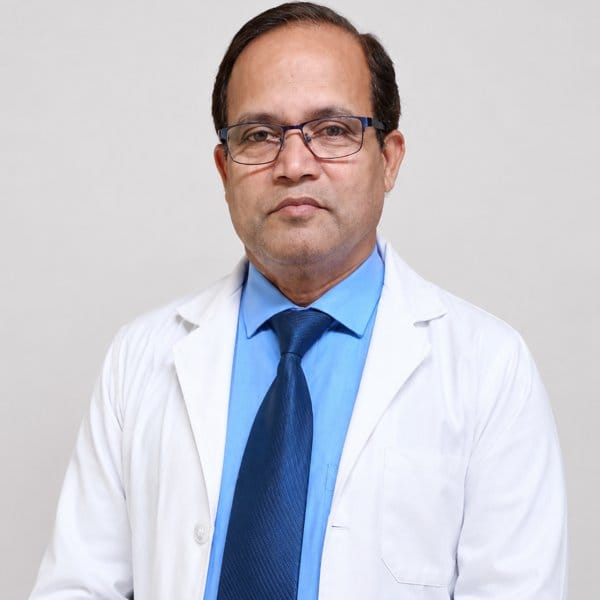
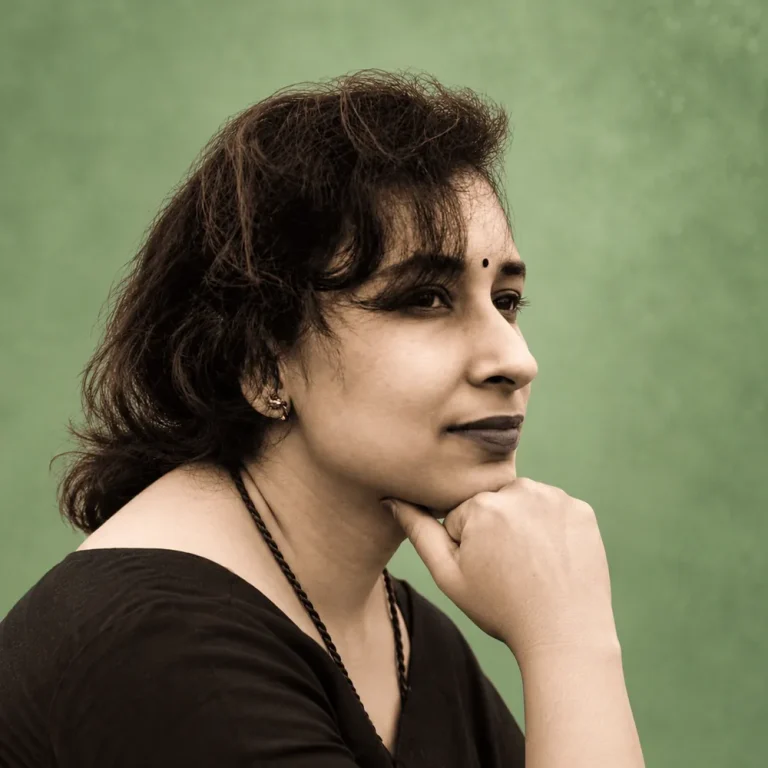
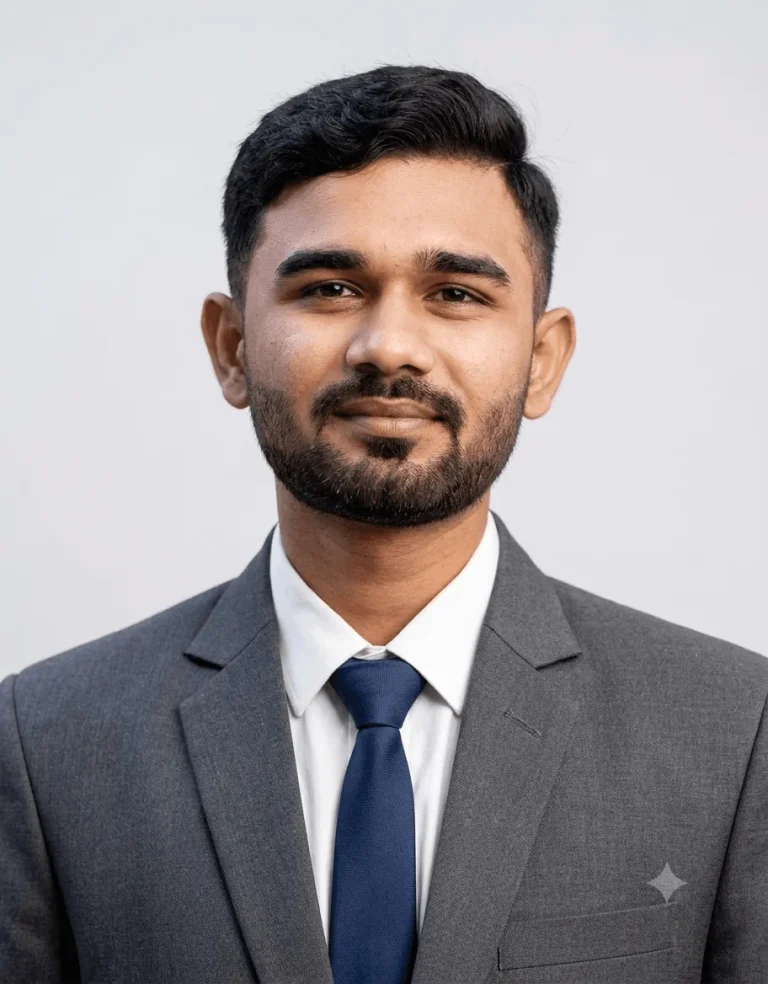
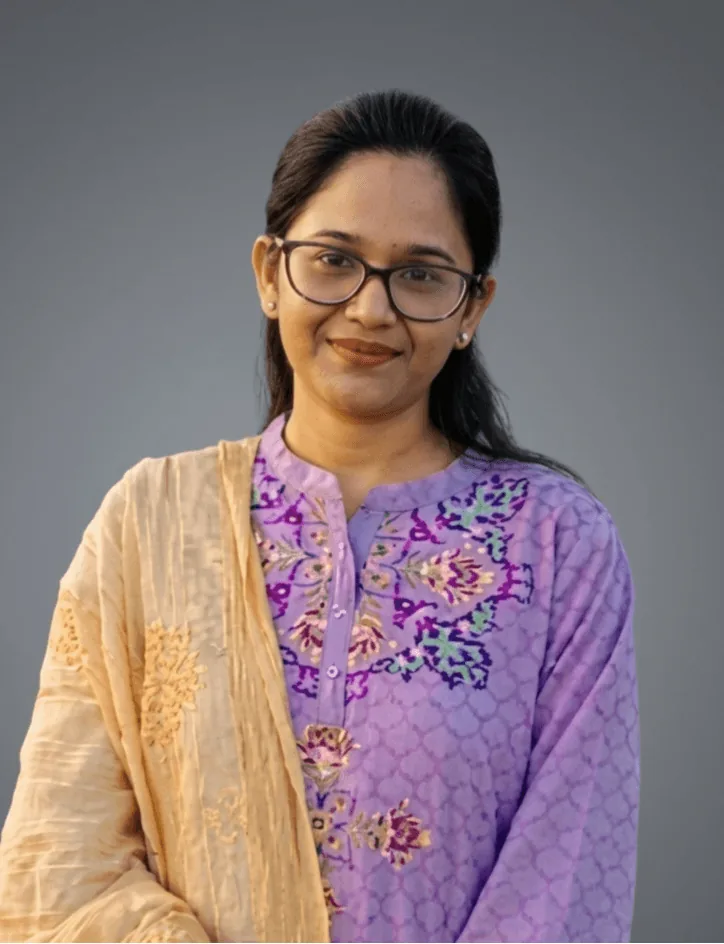
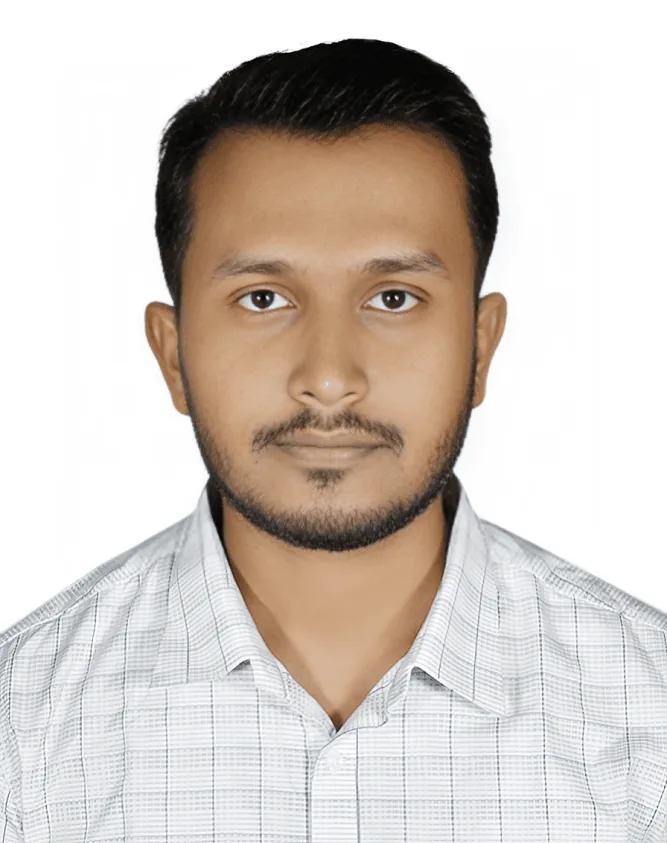
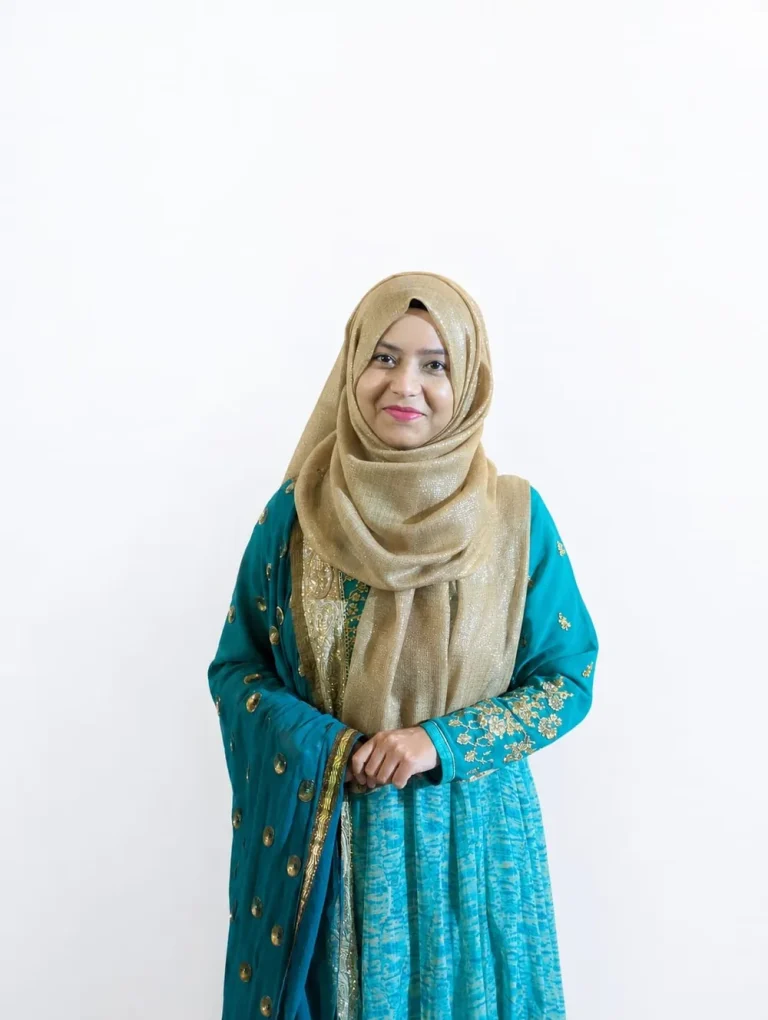
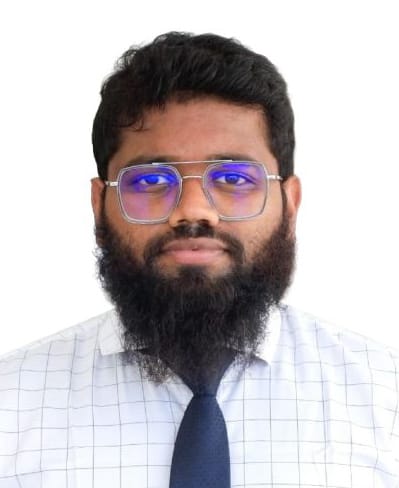
These licensed professionals list experience with stress and burnout. Not sure who fits? Tell us what is going on and we will match you.
Assistant Clinical Psychologist & Psychotherapist
Speaks Bangla
Assistant Clinical Psychologist
Speaks Bangla
Assistant Clinical Psychologist
Speaks Bangla, English, Hindi
বাংলায়
দিনের পর দিন চাপ, বিশ্রামহীন খাটুনি, আর সব সময় ক্লান্ত লাগা, এগুলো বার্নআউটের লক্ষণ। বিশ্রাম নেওয়া অলসতা নয়, এটি শরীর-মনের প্রয়োজন। একজন সাইকোলজিস্টের সাথে কথা বলে চাপের উৎস বুঝে, সীমানা টেনে আর অভ্যাস বদলে বেশিরভাগ মানুষ অল্প সময়েই ভালো বোধ করেন। চাম ওয়েলনেসে বাংলা বা ইংরেজিতে অনলাইন কাউন্সেলিং নেওয়া যায় সারা বাংলাদেশ থেকে।
বাংলায় পড়ুন: মানসিক চাপ কমানোর উপায়, অফিসের চাপ ও বার্নআউট এবং পরীক্ষার চাপ সামলানোর উপায়।
Questions
Stress is the body’s response to pressure and can be short-term. Burnout is the exhaustion, detachment and reduced functioning that build up after long, unrelieved stress. Burnout usually needs recovery and change, not just a short break.
Burnout is a recognised state of chronic-stress exhaustion that affects your mind, body and work. It is real, common, and it responds well to rest, boundaries and support.
Time off helps, but if you return to the same patterns burnout comes back. Therapy helps change what is driving it, such as workload, boundaries and perfectionism, so recovery lasts.
Not exactly. The World Health Organization lists burnout in ICD-11 as an occupational phenomenon caused by chronic workplace stress, not as a medical condition. It is still real and worth treating, and a psychologist will also check for depression, anxiety or sleep problems that often come with it.
Burnout is mostly tied to work or a specific load and tends to ease when you get proper time away. Depression usually colours every part of life, including weekends, holidays and things you used to enjoy. They can overlap, so if low mood stays after a break, talk to a psychologist.
Yes. Sessions work well over secure video, in Bangla or English, from anywhere in the country. In-person sessions are available in Dhaka.
Many people feel meaningfully better within a short course of sessions, though full recovery depends on how long the burnout has built up and what can change around you.
Private sessions usually cost about ৳1,000–৳4,500 depending on seniority, and student sessions are ৳1,000. The exact fee is shown before you book.
Read more
Practical, Bangladesh-specific reading from the Chum blog on this topic.
Take the first step
Book a confidential session with a licensed psychologist who works with stress and burnout, or browse verified specialists across Bangladesh, online anywhere, or in person in Dhaka.
 Chum WellnessTypically replies within minutes