
Depression in Bangladesh: Signs, Causes & How Therapy Helps

Depression is more than feeling sad or having a bad week. It is a real, treatable medical condition that affects how you feel, think, sleep, eat, and function day to day. In Bangladesh, studies suggest that more than half of adults experience depressive symptoms at some point – yet most never get help, often because of stigma or simply not knowing where to start. This guide explains what depression looks like, why it happens, and how therapy helps.
Not sure where you stand? Take our free 2-minute mental health self-check first.
What are the signs of depression?
Depression shows up differently for everyone, but common signs that last two weeks or more include:
- Persistent sadness, emptiness, or hopelessness
- Loss of interest in things you used to enjoy
- Fatigue, low energy, or feeling slowed down
- Changes in sleep – too much or too little
- Changes in appetite or weight
- Difficulty concentrating or making decisions
- Feelings of worthlessness or excessive guilt
- Physical aches with no clear cause
- Thoughts of death or self-harm
If you recognise several of these in yourself or someone you love, it is worth talking to a professional.
Why does depression happen?
Depression rarely has a single cause. It usually comes from a mix of factors: biology and brain chemistry, family history, prolonged stress, grief, relationship or financial difficulty, trauma, and certain medical conditions. In Bangladesh, academic pressure, job insecurity, family expectations, and social isolation are common contributors. Importantly, depression is not a weakness or a character flaw – it is a health condition, and it responds to treatment.
How is depression treated?
The most effective, evidence-based treatments include:
Talk therapy (psychotherapy)
Approaches like Cognitive Behavioural Therapy (CBT) help you identify and change the thought patterns that fuel low mood. Therapy gives you practical tools, a safe space to be heard, and a structured path forward. For many people, therapy alone is enough.
Medication
For moderate to severe depression, a psychiatrist may prescribe antidepressants alongside therapy. Medication is a clinical decision made with a qualified doctor – it is not something to start or stop on your own.
Lifestyle and support
Regular sleep, movement, connection with people you trust, and reducing alcohol all support recovery. These work best alongside professional care, not instead of it.
When should you seek help?
If low mood is affecting your work, relationships, or daily life – or has lasted more than two weeks – it is time to talk to someone. You do not need to be “at rock bottom” to deserve support. If you are having thoughts of harming yourself, please reach out now – call our team at +880 1739-000501 or a trusted person immediately.
| Treatment | Best For | What to Expect |
|---|---|---|
| Cognitive Behavioural Therapy (CBT) | Mild to moderate depression | 12-20 sessions; practical thought + behaviour tools |
| Psychodynamic therapy | Depression linked to past experiences or relationships | Longer-term; explore underlying patterns |
| Medication (psychiatrist) | Moderate to severe depression | Combined with therapy for best results |
| Lifestyle support | All presentations, as adjunct | Sleep, movement, social connection |
Depression in Bangladesh: the reality
Studies suggest more than 6% of Bangladeshis meet criteria for major depression at any time – but fewer than one in five ever access professional help. Academic pressure, job insecurity, family expectations, and the stigma around mental health all play a role. Depression is not sadness or weakness. It is a health condition with effective, evidence-based treatments, and recovery is the norm when people get appropriate support.
What to expect from therapy at Chum Wellness
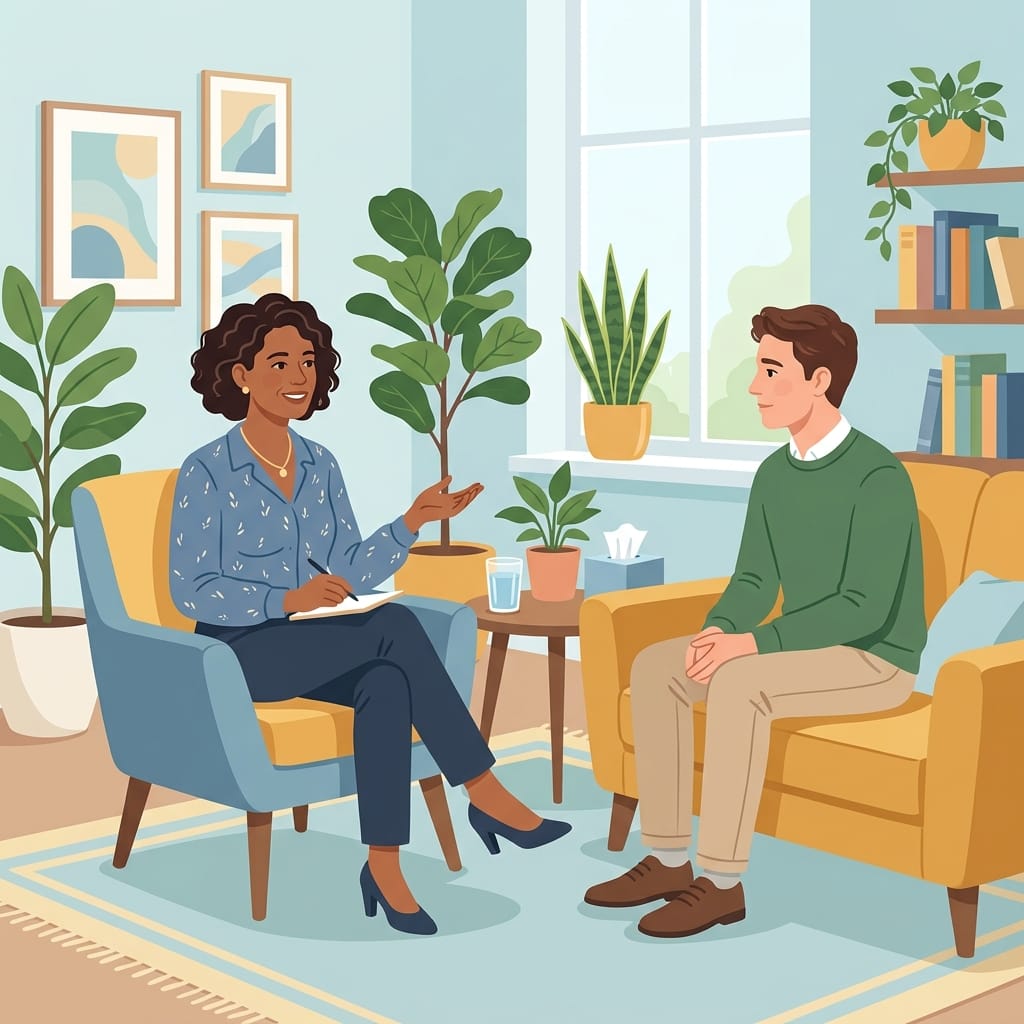
Your first session is an assessment: your therapist listens, asks questions, and works with you to understand what is happening and what you want to change. From the second session onwards, you start working on it together – whether that is challenging thought patterns in CBT, processing difficult experiences, or building practical coping skills. Sessions are 50 minutes, confidential, and available in Bengali or English online or in person in Dhaka.
Quick self-check
Not sure where you stand? This short, confidential self-check takes two minutes. It is a screening tool, not a diagnosis.
Depression Self-Check PHQ-9
Over the last 2 weeks, how often have you been bothered by any of the following?
What you can do next
- Keep one small daily anchor, a walk, a meal, a call, even when motivation is gone.
- Tell one person you trust how you actually feel. Saying it out loud helps.
- If low mood has lasted more than two weeks, talking to a psychologist is a real step, not a last resort.
This is the PHQ-9 screening questionnaire, a screening tool, not a diagnosis. Only a licensed professional can diagnose. In crisis or thinking of harming yourself? Call 999 (Bangladesh emergency) now, or your local emergency number if you are abroad. This test is not an emergency service.
Getting help with Chum Wellness
Our licensed psychologists offer confidential depression counselling in Bengali and English, online or in person in Dhaka. Most clients are seen within 15 minutes. Book a session →
Frequently asked questions
Can depression go away on its own?
Mild low mood sometimes lifts, but clinical depression usually needs support to fully resolve – and treatment helps you recover faster and reduces the chance of it returning.
Is therapy effective for depression?
Yes. Decades of research show talk therapy, especially CBT, is highly effective – on its own for mild-to-moderate depression, and combined with medication for severe cases.
Can I have depression counselling in Bengali?
Yes. Most Chum Wellness psychologists are fluent in Bengali. Tell us your preference when booking.
Get the support you need from our licensed professionals today. Both online and in-person sessions are available.
Want to Learn More?
Understanding the clinical and emotional dimensions of depression is crucial for recovery. For globally recognized research and extensive reading on mood disorders, explore the comprehensive resources provided by the National Institute of Mental Health (NIMH) on Depression.
📊 Key Takeaways: Psychotherapy
- Evidence-Based: Therapies like CBT are globally recognized as highly effective for depression and anxiety.
- Root Causes: Therapy goes beyond symptom management to address the underlying causes of distress.
- Safe Space: A clinical psychologist provides complete confidentiality and non-judgmental professional support.
For professional support, depression counselling in Dhaka, or book a session.
Keep Reading
Talk to our psychologists
Book a confidential session with a licensed psychologist at Chum Wellness.

- Depression counselling in Dhaka, licensed psychologists, from ৳2,000
- Marriage & couple counselling in Dhaka
- Child psychologist in Dhaka