Common Myths About Depression in Bangladesh, Debunked
- Myth: depression is just sadness, and you can snap out of it
- Myth: depression is a sign of weakness or lack of faith
- Myth: depression only comes from a big tragedy
- Myth: only certain people get depressed
- Myth: talking about it makes it worse
- Myth: depression cannot really be treated
- The bottom line
- The myths about depression that hurt most in Bangladesh
- Frequently asked questions

Few illnesses are as misunderstood as depression, and in Bangladesh the myths about depression do real harm, keeping people from help they desperately need and heaping shame on those who are already suffering. Separating the myths from the facts is not just about being correct, it is about saving lives. Let us clear up the beliefs that hurt people the most.
This article is part of a wider guide. For the full picture, treatment options and which psychologists can help, see how depression therapy works at Chum.
Myth: depression is just sadness, and you can snap out of it
Depression is not ordinary sadness, and no one can simply will it away. It is a real medical condition involving changes in brain chemistry, thinking, and the body, with genuine biological, psychological, and social roots. Telling a depressed person to “cheer up” is like telling someone with a broken leg to walk it off.
Myth: depression is a sign of weakness or lack of faith
In our culture, depression is often blamed on weak character, ungratefulness, or a lack of religious devotion, “just pray more”, “be grateful for what you have”. But depression has nothing to do with willpower or faith. Devout, strong, successful people get depressed. Faith can be a real source of comfort, yet depression is an illness that also needs care, exactly as diabetes or a heart condition does.
Myth: depression only comes from a big tragedy
Many believe you need a clear reason, a death, a divorce, a disaster, to be “allowed” to feel depressed. But depression can arrive with no obvious trigger at all, driven by biology and genetics as much as by life events. Someone with a good job and a loving family can still be genuinely depressed, and their pain is no less real.
Myth: only certain people get depressed
Depression does not care about wealth, gender, age, or success. It is sometimes dismissed here as a “rich person’s problem” or a “foreign disease”, but it affects farmers and CEOs, teenagers and grandparents, men and women alike. No one is immune.
Myth: talking about it makes it worse
Some fear that naming depression, or asking someone if they are thinking of suicide, will plant the idea or deepen the pain. The opposite is true. Talking openly reduces isolation and shame, and asking directly about suicidal thoughts makes a person safer, not more at risk. Silence is what feeds depression.
If you or someone you love is having thoughts of suicide or self-harm, treat it as an emergency and call the national emergency number 999 now. You do not have to face it alone.
Myth: depression cannot really be treated
Perhaps the most damaging myth of all is that depression is permanent, something to simply endure. In truth, depression is one of the most treatable mental health conditions. With therapy, and medication where needed, the large majority of people recover and go on to live full lives. In our clinicians’ experience, the biggest barrier to recovery is not the illness, it is the myths that stop people reaching out.
The bottom line
The myths around depression, that it is weakness, laziness, a lack of faith, or a life sentence, are not just wrong, they are dangerous, because they keep suffering people silent. The truth is simpler and kinder: depression is a common, real, treatable illness, and reaching out for help is a sign of strength. If you recognise these signs in yourself or someone you love, you can talk to a psychologist across Bangladesh, online or in person in Dhaka.
The myths about depression that hurt most in Bangladesh
Of all the myths, the belief that depression is simply a spiritual failing, curable with enough prayer or gratitude, may do the most damage in Bangladesh, because it adds guilt to suffering. Faith is a genuine source of strength and comfort for many people, and no one should be asked to give it up. But faith and treatment are not rivals. A devout person with depression needs care in the same way a devout person with a fever needs medicine. Seeking help is not a lack of faith, it is looking after the life you have been given.
Wherever you are, help is within reach: you can talk to a psychologist through online counselling across Bangladesh or in person in Dhaka, matched to you by a person and kept fully private, as we explain on our about page.
Frequently asked questions
Is depression just sadness?
No. Depression is a real medical condition affecting brain chemistry, thinking, and the body. It is far more than sadness and cannot be willed away by cheering up or trying harder.
Is depression a sign of weak faith or character?
No. Depression has nothing to do with willpower, character, or religious devotion. Strong and devout people get depressed. Faith can comfort, but depression also needs proper care.
Do you need a reason to be depressed?
No. Depression can arrive with no obvious trigger, driven by biology and genetics as much as by events. Someone with a good life can still be genuinely depressed.
Does talking about depression make it worse?
No. Talking openly reduces isolation and shame, and asking someone directly about suicidal thoughts makes them safer, not more at risk. Silence is what feeds depression.
Can depression be cured?
Depression is highly treatable. With therapy and, where needed, medication, most people recover fully. The biggest barrier is usually the myths that stop people seeking help.
How common is depression in Bangladesh?
A 2018 national survey estimated that around 6 to 7 percent of Bangladeshi adults live with depression, yet stigma and these very myths keep most of them from ever seeking help.
How this article was made
- Written by
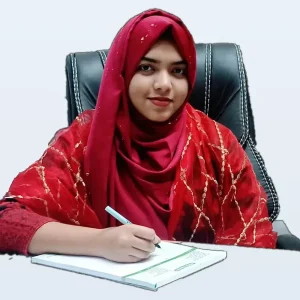
- Samsun Nahar, Assistant Clinical Psychologist
- Clinically reviewed by
- Mst. Swampa, Senior Clinical Psychologist, BCPS member
- Last updated
- September 1, 2026
Every Chum article is written for people in Bangladesh by a Chum psychologist or our editorial team, and reviewed by a senior clinical psychologist. How we review · Report an error
Where to go from here
Three next steps, from lightest to most support.

Keep Reading
Psychologists who help with depression
Book a confidential session with a licensed psychologist at Chum Wellness.