When an Arranged Marriage Feels Lonely in Bangladesh: What Helps in the First Year
- Why arranged marriage loneliness in Bangladesh is so common in the first year
- The joint family: sometimes a cushion, sometimes an amplifier
- Common first year of marriage problems in Bangladeshi couples
- What actually helps in the first year
- When talking to family is not enough: marriage counselling in Dhaka
- Local availability: help wherever you are in Bangladesh
- When to seek professional help in Bangladesh
- You do not have to carry this quietly
- Frequently asked questions

If you are living through arranged marriage loneliness in Bangladesh, you are not broken and you are not ungrateful. In Dhaka and across the country, many newlyweds sit beside a husband or wife they barely know, in a home that is not quite theirs yet, and feel a quiet ache that they cannot say out loud. The wedding was loud and full of people. The months after it can feel strangely empty. That gap is real, and it is more common than anyone admits over cha.
The first year of an arranged marriage in Bangladesh asks a lot of you. You are learning a new person, a new family, sometimes a new area of Dhaka or a new city entirely, and a new version of yourself, all at once. This article is a warm, practical guide to newlywed loneliness: why it happens, what usually helps, and when it is wise to speak to a professional. Chum Wellness offers confidential counselling online across all of Bangladesh and in person in Dhaka, so support is within reach wherever you are.
Why arranged marriage loneliness in Bangladesh is so common in the first year
In our culture, marriage is often described as the beginning of a full life. So when the reality of the first year feels lonely instead of complete, people blame themselves. They wonder if something is wrong with them, or with their partner, or with the match. Usually nothing is wrong. What you are feeling is the honest human cost of building intimacy from a near-standstill.
In an arranged marriage you are asked to feel close to someone before closeness has had time to grow. Love marriages start with months or years of knowing each other. An arranged match often starts on the wedding night. The affection is expected to be there already, and when it is not yet, the silence between two polite strangers can feel very lonely.
The shift from your own family to a new one
For many brides in Bangladesh, the first year also means leaving the home you grew up in and moving into your in-laws’ house. You lose your daily rhythm, your mother’s kitchen, your siblings, your familiar room. Even a happy woman grieves that loss quietly. For grooms, the change can be quieter but still real: new responsibilities, new financial pressure, and a wife who is also a stranger in the early weeks.
The “log ki bolbe” pressure to look happy
Bangladeshi couples are watched. Relatives ask when the “good news” is coming. Neighbours comment on how you dress, cook, or behave. Because of log ki bolbe, most newlyweds feel they must perform happiness in public even when they feel unsure in private. Hiding the loneliness makes it heavier. You end up alone with a feeling you are not allowed to name.
The joint family: sometimes a cushion, sometimes an amplifier
One of the biggest factors in early joint family adjustment is simply which family you have married into. In our clinicians’ experience, the joint-family structure works like an amplifier rather than a fixed good or bad. Warm, welcoming in-laws can soften the whole first year: they fold a new spouse in gently, share the load, and make the house feel like a home. Demanding or critical in-laws can do the opposite and deepen a newlywed’s isolation, especially when the new bride or groom has no private corner and no ally.
We often see that how well a newlywed copes has less to do with the size of the household and more to do with one thing: how emotionally present the partner is. A husband or wife who stands beside you, who notices when you are struggling and quietly takes your side, can make even a crowded, difficult joint family bearable. A partner who stays distant leaves you facing the whole family alone, and that is where the deepest loneliness sets in.
When you feel outnumbered under one roof
In joint families across Dhaka neighbourhoods like Mirpur, Mohammadpur, and Uttara, and in extended households in Chattogram, Sylhet, and beyond, a new spouse can feel like the only outsider at the table. Everyone else shares history, jokes, and shorthand. You are still learning names and moods. This is not a sign that you will never belong. It is the normal, temporary discomfort of being new. It usually eases as trust is built, but it eases faster when your partner helps build it.
Common first year of marriage problems in Bangladeshi couples
Loneliness rarely arrives on its own. It usually travels with a handful of very ordinary first year of marriage problems. Naming them can make them feel less frightening.
- Two strangers, one bed. Physical and emotional intimacy is awkward at first. Rushing it, or avoiding it, can both increase distance.
- Different family cultures. How his family speaks, spends, prays, and argues may differ from yours. Small habits become friction.
- Money and dependence. New financial dependence, or disagreements about spending and sending money to parents, can quietly build resentment.
- In-law expectations. Unspoken rules about chores, cooking, visiting your parents, or how much time the couple spends alone.
- Communication gaps. Many couples were taught to be polite, not honest. So real feelings stay hidden until they burst out.
- Pressure for children. Family questions about pregnancy can start within weeks and add a heavy, isolating pressure.
None of these mean the marriage was a mistake. They mean you are two real people doing something genuinely hard. The couples who do well are not the ones without problems. They are the ones who slowly learn to talk about them.
What actually helps in the first year
You cannot force closeness overnight, and you should not have to carry the loneliness alone. Here are approaches that, gently and over time, tend to help newlyweds in Bangladesh.
Build a small daily habit of connection
Intimacy grows through repetition, not grand gestures. Fifteen honest minutes a day, cha on the balcony, a short walk, a real question about each other’s day, does more than one big outing a month. In a busy joint family, protecting even a small pocket of couple time is one of the most powerful things you can do.
Turn your partner into a teammate, not a judge
Try naming what you need without accusation. “I feel lonely when I am with your family and you do not talk to me” lands very differently from “you never care about me.” Ask your partner directly to be present when the family dynamic feels heavy. Many spouses simply do not realise how alone their new husband or wife feels until it is said out loud, kindly.
Keep your own roots without guilt
Staying connected to your parents, siblings, and friends is not disloyalty to your marriage. Regular calls home, an occasional visit to your parents’ place, keeping one or two friendships alive, all of this steadies you. A lonely spouse who has cut off every old support is far more fragile than one who keeps a few roots.
Lower the pace of expectations
You do not have to feel “in love,” fully settled, and completely at home by month three. Give the relationship a year to become itself. Deep affection in arranged marriages very often grows, but it grows on its own timeline, not the timeline relatives set.
Set gentle, respectful boundaries with in-laws
Boundaries in a Bangladeshi joint family are best set softly and together, as a couple, rather than by one person alone. Deciding as a team how to handle visits, chores, money, and the pregnancy questions protects both of you and keeps the loneliness from turning into resentment. Our guide on dealing with in-law and family pressure walks through this in more detail.
Try it now: one message of appreciation
Small, specific appreciation rebuilds closeness. Write one for your partner today.
When talking to family is not enough: marriage counselling in Dhaka
Sometimes the two of you keep having the same argument, or the silence keeps growing, and well-meaning relatives only add pressure. This is where a neutral, trained professional helps. Marriage counselling in Dhaka gives a couple a private, confidential space to be honest without the whole family watching or taking sides.
Counselling is not a sign that your marriage has failed. In our experience it is often what early, wise couples do to protect a marriage that is still very new. A counsellor does not tell you who is right. They help both partners feel heard, teach practical communication skills, and help you understand each other’s world, including the family systems you each grew up in.
What couples therapy in Bangladesh usually looks like
In couples therapy Bangladesh sessions with a licensed professional, you can expect a warm, non-judgmental space, culturally aware questions about your families and expectations, and concrete tools you can try at home. Sessions are confidential. Nothing is shared with your in-laws or parents. For couples who find it hard to attend together in the early months, individual sessions to steady one partner can also help the whole marriage.
If you would like a fuller picture of the process, our marriage counselling in Dhaka guide explains how to start, what to expect, and how to bring it up with a hesitant partner.
Local availability: help wherever you are in Bangladesh
One reason many couples delay getting support is distance, or the fear of being seen walking into a clinic near home. With Chum Wellness, location is not a barrier. Sessions are available online across all of Bangladesh and in person in Dhaka. Whether you are in Dhanmondi, Gulshan, Banani, Bashundhara, or in Chattogram, Sylhet, Rajshahi, or Khulna, or you are an NRB navigating an arranged marriage from abroad, you can speak to a licensed psychologist or counsellor privately from wherever you feel safe.
This matters especially for new brides who cannot easily leave the house alone, and for couples who want to keep counselling completely confidential. An online session from a quiet room can be the first honest conversation a lonely newlywed has had in months.
When to seek professional help in Bangladesh
Some first-year loneliness eases naturally as you settle in. But it is wise to speak to a licensed psychologist or counsellor in Bangladesh if you notice any of the following lasting for more than a few weeks:
- The loneliness feels constant and heavy, not just occasional.
- You have lost interest in things you used to enjoy, or feel numb most days.
- Sleep, appetite, or your ability to function day to day has clearly changed.
- You and your partner are stuck in the same painful cycle and cannot break it.
- You feel trapped, controlled, or afraid in the home, or there is any form of abuse.
- You are turning to unhealthy coping just to get through the day.
Reaching out early is a strength, not a last resort. A counsellor can help you tell the difference between a hard adjustment that will pass and a deeper difficulty that needs support. If any emotional or mental-health condition may need medical treatment, that is always assessed and decided together with a qualified doctor or psychiatrist. Counselling and medical care work alongside each other, and no medication decision is ever made here.
If the loneliness has lasted well beyond the first year and you feel unheard or emotionally ignored by your spouse, read lonely in marriage: when you feel unheard and unloved.
Chum Wellness offers reduced-fee sessions for students, so cost is easier to manage for young newlyweds still finding their feet.
You do not have to carry this quietly
A lonely first year does not mean you married the wrong person or that things will always feel this way. It means you are early in something that takes time, patience, and often a little guidance. Many arranged marriages in Bangladesh grow into deep, steady companionship, and the couples who ask for help early are often the ones who get there sooner.
If the distance in your marriage feels bigger than the two of you can bridge alone, gentle professional support can help you build the closeness you were hoping for. Explore couples counselling in Dhaka with our licensed team, online anywhere in Bangladesh or in person in Dhaka. When you feel ready, you can book a session in confidence, and start the first year over with someone in your corner.
Frequently asked questions
Is it normal to feel lonely in the first year of an arranged marriage in Bangladesh?
Yes, it is very common. In an arranged marriage you are asked to feel close to someone before closeness has had time to grow, often while also adjusting to a new joint family and losing your old daily support. This early loneliness does not mean the marriage was a mistake. It usually eases with time, honest communication, and a partner who is emotionally present, and counselling can help if it feels heavy or lasting.
How does the joint family affect newlywed loneliness?
The joint family works like an amplifier. Warm, welcoming in-laws can soften the first year and make the house feel like home, while demanding or critical in-laws can deepen a new spouse’s isolation. In our clinicians’ experience, how well a newlywed copes often depends less on the size of the household and more on how emotionally present and supportive their partner is.
When should we consider marriage counselling in Dhaka?
Consider marriage counselling if you keep having the same argument, the silence between you keeps growing, the loneliness feels constant, or family pressure is making things worse. Counselling is not a sign of failure. It is a private, confidential space to be heard and learn practical communication skills. Chum Wellness offers sessions online across Bangladesh and in person in Dhaka.
Can we get couples counselling online if we live outside Dhaka or abroad?
Yes. Chum Wellness offers confidential sessions online across all of Bangladesh and in person in Dhaka, so location is not a barrier. Couples in Chattogram, Sylhet, Rajshahi, Khulna, or NRBs navigating an arranged marriage from abroad can all speak to a licensed psychologist or counsellor privately from wherever they feel safe.
How this article was made
- Written by
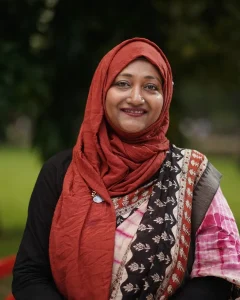
- Nazme Ara, Clinical Psychologist
- Clinically reviewed by
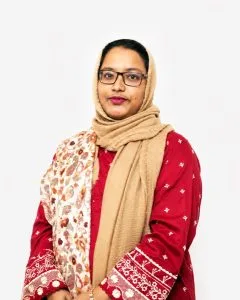
- Mst. Swampa, Senior Clinical Psychologist, BCPS member
- Last updated
- October 6, 2026
Every Chum article is written for people in Bangladesh by a Chum psychologist or our editorial team, and reviewed by a senior clinical psychologist. How we review · Report an error
Where to go from here
Three next steps, from lightest to most support.

Keep Reading

Psychologists who help with relationships & marriage
Book a confidential session with a licensed psychologist at Chum Wellness.