What Is Dialectical Behaviour Therapy (DBT)? A Guide for Bangladesh
If you have looked into treatment for intense emotions, self-harm, or borderline personality disorder, you have probably seen the letters DBT. Dialectical behaviour therapy is one of the most effective, evidence-based talk therapies available, and it is offered in Bangladesh both online and in person. This guide explains what DBT is, the skills it teaches, who it helps, and how to start.
What is dialectical behaviour therapy (DBT)?
Dialectical behaviour therapy is a structured form of talk therapy that helps people manage overwhelming emotions, reduce self-destructive behaviour, and build steadier relationships. It was developed by psychologist Dr Marsha Linehan, originally for borderline personality disorder, and is now used for many difficulties involving intense emotions. The word dialectical points to its core balance: accepting yourself as you are, while also working to change what is not serving you.
The four core skills of DBT
DBT is practical. It teaches skills you can use in daily life, grouped into four areas:
- Mindfulness. Noticing your thoughts and feelings in the present, without being swept away by them.
- Distress tolerance. Getting through a crisis or a wave of pain without making it worse.
- Emotion regulation. Understanding your emotions and reducing their intensity so they no longer run the show.
- Interpersonal effectiveness. Asking for what you need, setting boundaries, and keeping relationships steady.
Who is DBT for?
DBT was created for borderline personality disorder, and it remains the leading treatment for it. It also helps with emotional dysregulation, chronic self-harm or suicidal thoughts, impulsive behaviour, and intense difficulties in relationships. Many people who feel their emotions too strongly, or who swing quickly from calm to overwhelmed, find DBT skills life-changing even without a specific diagnosis.
How is DBT different from regular counselling?
Regular counselling often focuses on talking things through and understanding the past. DBT does that too, but it is more structured and skills-based. You actively learn and practise specific tools between sessions, with a clear focus on reducing harmful behaviour and building a life that feels worth living. It is usually longer-term rather than a few isolated sessions.
What happens in a DBT session?
DBT usually combines two things: individual therapy and skills practice. In individual sessions, you and your therapist look at what happened during the week, especially any moments of crisis, self-harm, or conflict, and work out which skill could help next time. Rather than only exploring the past, you leave with something concrete to try. Many DBT programmes also use a skills element, where the four skill areas are taught step by step, almost like a class, so you build a toolkit you can draw on under pressure.
Between sessions, DBT often uses simple practice tools. You might track your emotions and urges, or use a small set of crisis-survival strategies when distress spikes. The aim is not to talk endlessly about feeling bad, but to steadily reduce the behaviours that make life harder and replace them with skills that work. This is why DBT is described as building “a life worth living” rather than only removing symptoms. It is active, collaborative, and paced to what you can manage.
Does DBT actually work?
DBT is one of the most researched psychological treatments in the world, with strong evidence for reducing self-harm, suicidal behaviour, and hospital admissions, and for improving emotional stability and relationships. It is now recommended internationally as a first-line treatment for BPD. Results build over time and depend on practising the skills, but for many people who felt stuck for years, DBT is the approach that finally helps things shift.
Starting DBT in Bangladesh
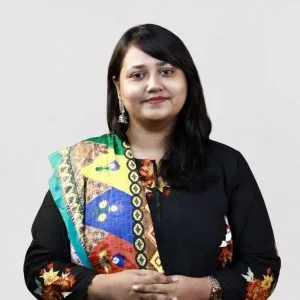
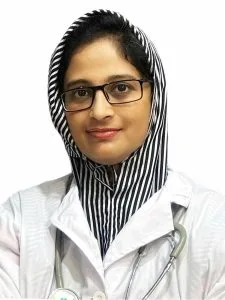
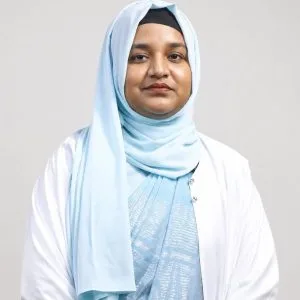
DBT works best with a therapist trained in the approach. At Chum Wellness, clinicians experienced in DBT, including Tarun Kanti Gayen and Saima Akther Jui, offer support through individual counselling, online across Bangladesh or in person in Dhaka, in Bangla or English, and fully confidential.
How to get the most from DBT
DBT rewards participation. The people who benefit most treat it a little like learning a new language: they practise the skills between sessions, not only during them, and they use them on small, everyday frustrations so the tools are ready when a real crisis hits. It helps to be honest with your therapist about what is actually happening, including the hard or embarrassing parts, because that is where the useful work is. Progress can feel slow at first, then build. Sticking with it through the early weeks, when the skills still feel awkward, is often what separates a good outcome from a stalled one. If cost or time is a worry, ask about online sessions, which make consistent, weekly work far easier to maintain.
Who DBT helps most, in our experience
In our work at Chum Wellness, the people who gain the most from DBT are often those who describe not being able to control their emotions, feeling numb one moment and overwhelmed the next, urges to hurt themselves when the pain peaks, and relationships that keep breaking under the intensity. If any of that sounds familiar, DBT was built for exactly these struggles. It does not ask you to feel less. It teaches you, skill by skill, how to carry big feelings without being ruled by them, which for many people in Bangladesh is the first time anyone has offered a real method instead of simply telling them to calm down.
Frequently asked questions
How long does DBT take?
DBT is usually longer-term than brief counselling because it builds skills over time. Many people work with a therapist for several months, and start noticing useful changes within the first weeks of practising the skills.
Is DBT only for borderline personality disorder?
No. DBT was developed for BPD but helps with any difficulty involving intense emotions, self-harm, impulsivity, or unstable relationships, with or without a formal diagnosis.
Can I do DBT online?
Yes. DBT skills translate well to secure video sessions, which makes them accessible anywhere in Bangladesh, including for those living abroad.
If intense emotions are running your life, DBT can help you take back control. Book a confidential session with a DBT-trained psychologist at Chum Wellness.
In a crisis: if you or someone else is at risk of harm, call the national emergency service 999. Therapy is not a substitute for emergency care.
Keep Reading
Talk to our psychologists
Book a confidential session with a licensed psychologist at Chum Wellness.