PTSD & Trauma: Signs, Causes & Recovery in Bangladesh

The main signs of PTSD are reliving the event through flashbacks or nightmares, avoiding reminders, feeling numb, guilty or hopeless, and being constantly on edge, with poor sleep. They can start soon after an accident, assault, abuse or sudden loss, or months later. PTSD is treatable: trauma-focused CBT and EMDR help most people, at any age and even years after the event. If you are thinking of harming yourself, call 999 now.
Post-Traumatic Stress Disorder (PTSD) can develop after experiencing or witnessing something overwhelming – an accident, violence, abuse, sudden loss, a natural disaster, or a frightening medical event. It is a normal response to an abnormal event, and it is treatable. If the past keeps intruding on your present, you don’t have to live with it alone.
Not sure where you stand? Take our 2-minute mental health self-check first.

What are the signs of PTSD?
PTSD symptoms usually fall into four groups:
- Re-experiencing – flashbacks, nightmares, intrusive memories
- Avoidance – staying away from reminders, people, or places
- Negative changes in mood – guilt, numbness, detachment, hopelessness
- Hyperarousal – being easily startled, on edge, irritable, or unable to sleep
These can appear soon after the event or surface months later. People often describe it in everyday words: “I can’t get on a bus since the accident,” “I wake up at night with my heart pounding,” or “I feel like I’m not really here.” Around 70% of people live through a potentially traumatic event at some point, but only a minority develop PTSD (World Health Organization).
Why does PTSD happen?
When we face danger, the brain stores the memory differently – raw and easily triggered. In PTSD, that survival mechanism stays stuck in the “on” position, so reminders bring back the full emotional force of the event. It is not weakness, and it is not something you can simply “get over.” It is a wound that needs proper care.
How is PTSD treated?
The WHO names trauma-focused CBT and EMDR as the psychological treatments with the most evidence for PTSD, and the UK’s NICE guideline recommends both, typically over 8 to 12 sessions. For fees, therapists and how sessions work here, see trauma therapy and PTSD treatment in Bangladesh.
Trauma-Focused CBT (TF-CBT)
This adapts CBT specifically for trauma, helping you process the memory safely and reduce its grip on your daily life.
EMDR (Eye Movement Desensitisation and Reprocessing)
EMDR is a well-established trauma therapy that helps the brain reprocess distressing memories so they lose their intensity. Many people experience significant relief.
Stabilisation and coping skills
Before processing trauma, a good therapist first helps you build safety and grounding skills, so the work feels manageable rather than overwhelming.
| Therapy | How It Works | Evidence Level |
|---|---|---|
| EMDR (Eye Movement Desensitisation & Reprocessing) | Guided eye movements while recalling trauma help the brain reprocess the memory and reduce its emotional charge | Gold standard – WHO recommended |
| Trauma-Focused CBT (TF-CBT) | Adapts CBT to work safely with traumatic memories and the beliefs they create | Gold standard – especially for children and adolescents |
| Stabilisation work | Builds grounding and safety skills before trauma processing begins | Essential first phase for complex trauma |
| Narrative Exposure Therapy (NET) | Constructs a coherent life narrative including traumatic events to reduce their fragmentation | Particularly used for survivors of multiple traumas |
Trauma in the Bangladeshi context
Bangladesh has a history of collective trauma – the Liberation War, cyclones, floods, and recent political violence – alongside the everyday traumas of family conflict, domestic abuse, road accidents, and bereavement that affect individuals across all backgrounds. Despite this, trauma as a clinical concept is rarely discussed, and PTSD even more rarely diagnosed. Many people carry unprocessed traumatic experiences for years, attributing symptoms to physical illness, stress, or character. Recognising trauma is the first step toward healing it.
When should you seek help?
If symptoms last more than a month, or if memories, sleep problems, or avoidance are affecting your life, professional support helps. Early treatment can prevent symptoms from becoming entrenched – but it’s never too late to heal, even from trauma that happened years ago.
Call 999 straight away if you are thinking about ending your life, have harmed yourself, or feel you cannot keep yourself safe. Online counselling is not a crisis service.
When this feeling comes on, a quick grounding exercise can bring you back to the present moment. You can try it right now.
Try it now
Two minutes. Read one step, then look up and do it.
Look around. Name five things you can see.
Say them in your head, slowly.
Ready
4 seconds in · 4 hold · 4 out · 4 hold
Getting help with Chum Wellness
Our psychologists offer confidential, trauma-informed therapy in Bengali and English, online or in person in Dhaka, Chattogram, Sylhet, Rajshahi and Rangpur. We move at your pace. Book a session →
Get the support you need from our certified professionals today. Both online and in-person sessions are available.
Sources and further reading
For trusted background on PTSD, see the World Health Organization fact sheet on PTSD, the NHS guide to PTSD, and the NICE guideline on PTSD treatment.
📊 Key Takeaways: PTSD and Trauma
- Common, not weakness: PTSD is the brain’s survival system staying switched on after an overwhelming event.
- Evidence-based help: Trauma-focused CBT and EMDR have the strongest evidence, usually over 8 to 12 sessions.
- Your pace: Good trauma therapy builds safety first, and you never have to share more than you are ready to.
Why Choose Chum Wellness
Chum Wellness brings certified psychologists across a range of specialisations together under one confidential, judgment-free platform. We assess your needs first and match you with a therapist who fits your concern, then keep your care structured so progress is visible. Sessions are available online across Bangladesh and in person in Dhaka, Chattogram, Sylhet, Rajshahi and Rangpur, in Bangla or English, with your first appointment usually confirmed within 15 minutes. Reaching out is a sign of strength, and the first step is often the hardest, so we make it simple.
Related reading: Trauma After a Road Accident: Signs, Coping and Help
Related Reading
If trauma is affecting your daily life, these guides can help you take the next step.
- Trauma and PTSD Therapy in Bangladesh
- How Trauma Therapy Works: Healing After Trauma
- Complex PTSD (C-PTSD): Signs, Causes and Healing
- Trauma Triggers and Flashbacks: How to Cope
- How Childhood Trauma Shapes Adult Relationships
- How to Find the Right Therapist in Bangladesh: A Step-by-Step Guide
Healing from trauma is not about forgetting what happened; it is about taking away its power over your present. With the right, trauma-informed support, recovery is realistic, and the sooner you begin, the gentler the road tends to be.
Healing takes support. Chum Wellness offers trauma therapy in Bangladesh with certified psychologists, online or in person in Dhaka, Chattogram, Sylhet, Rajshahi and Rangpur.
Frequently asked questions
Do I have to talk about the trauma in detail?
Not before you’re ready. A good therapist builds safety first and works at a pace you control. Some approaches, like EMDR, need much less detailed retelling.
Can PTSD start or be treated years after the event?
Yes to both. Symptoms sometimes appear months or years later (delayed-onset PTSD), and trauma therapy still works decades after the event. The brain can reprocess old memories at any point in life.
Is PTSD only for soldiers or major disasters?
No. PTSD can follow road accidents, abuse, assault, domestic violence, medical emergencies, sudden loss, or witnessing something frightening. Any experience that overwhelmed your ability to cope can lead to it.
Can talking about the trauma make it worse?
Without guidance, going over it again and again can. That is why trauma therapies like EMDR and trauma-focused CBT are carefully structured to process memories safely, after coping skills are in place.
Is it possible to fully recover from trauma?
Yes, many people do. The memory remains, but therapy can take away the intense fear, flashbacks and physical reactions linked to it, so it no longer runs your life.
Can PTSD be treated in Bangladesh?
Yes. Trauma-focused CBT and EMDR are available with trained psychologists in Bangladesh, online and in person. See trauma and PTSD therapy in Bangladesh for fees and how to start.
How long does trauma therapy take?
For a single event, trauma-focused CBT and EMDR are typically given over 8 to 12 sessions. Repeated or childhood trauma usually takes longer. Your psychologist reviews progress with you and adjusts the plan.
How this article was made
- Written by
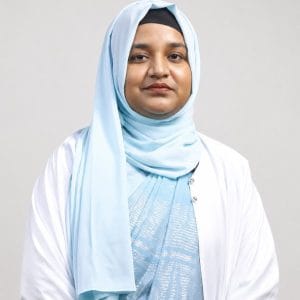
- Shaheen Nafisa Siddique, Senior Clinical Psychologist
- Clinical reviewer
- Ishrat Shermin Rahman, Clinical Psychologist
- Last updated
- October 7, 2026
Every Chum article is written for people in Bangladesh by a Chum psychologist or our editorial team, and clinically reviewed by a certified psychologist or psychiatrist who specialises in its topic. How we review · Report an error
Where to go from here
Three next steps, from lightest to most support.
Keep Reading
Psychologists who help with trauma
Book a confidential session with a certified psychologist at Chum Wellness.