Depression in Men: The Signs Often Missed (A Bangladesh Guide)

Depression in men is one of the most under-recognised mental health problems in Bangladesh, because it so rarely looks like the sadness most people expect. Instead of tears, it often shows up as anger, withdrawal, overwork, or drinking, which means it gets missed, dismissed, or mistaken for a bad temper. Learning to recognise how depression actually shows up in men can save a marriage, a career, and sometimes a life.
Men and women can both develop depression, but men often experience and express it differently. Where the classic picture is sadness and hopelessness, in many men the distress comes out sideways.
This article is part of a wider guide. For the full picture, treatment options and which psychologists can help, see our main guide to depression treatment.
How depression in men looks different
- Anger and irritability rather than visible sadness, a short fuse over small things.
- Withdrawal from family and friends, or burying themselves in work or the phone.
- Risky or escapist behaviour, including drinking, gambling, or reckless spending.
- Physical complaints such as headaches, back pain, or constant fatigue with no clear cause.
- Loss of interest in things once enjoyed, and trouble with sleep and concentration.
Why men in Bangladesh suffer in silence
Culture makes it harder. From boyhood, many Bangladeshi men are taught that “purush manush kande na”, a man does not cry, and that showing emotion is weakness. The pressure to be the family provider ties a man’s whole worth to earning, so admitting he is struggling can feel like admitting failure. Add the fear of what relatives will say, and many men bury the pain until it erupts as anger or breaks the body down. In our clinicians’ experience, men often arrive only in crisis, long after a wife or mother first noticed something was wrong.
The hidden dangers
Unrecognised male depression is dangerous. Men are less likely to seek help and more likely to self-medicate with alcohol or substances, and tragically they die by suicide at higher rates than women, partly because the depression was never named or treated. This is exactly why noticing the anger-and-withdrawal pattern, rather than waiting for tears, matters so much.
If you or someone you love is having thoughts of suicide or self-harm, treat it as an emergency and call the national emergency number 999 now. You do not have to face it alone.
What helps
- Name it without shame. Depression is a health condition, not a character flaw or weakness. Strong men get help.
- Talk to someone. A psychologist offers a private, judgement-free space, and treatment, usually cognitive behavioural therapy (CBT), works well.
- Cut the self-medication. Alcohol and substances deepen depression, even when they seem to numb it.
- Protect the basics. Sleep, movement, and real connection are quiet but powerful defences.
- Let people in. Isolation feeds depression. One honest conversation with someone who cares can break the spiral.
Try it now: name the feeling
Putting a feeling into words can make it less intense. Pick the closest.
How to support a man you are worried about
If you sense a husband, father, brother, or friend is struggling, do not wait for him to say the word “depression”, he may never use it. Approach gently and without judgement, focus on what you have noticed (“you have seemed really on edge and not yourself”), and avoid telling him to just be strong. Offer to help him take the first step, and remember that men often accept help more readily when it is framed around getting back to himself rather than being “fixed”. You can help him talk to a psychologist who understands depression in Bangladesh, online across the country or in person in Dhaka.
The bottom line
Depression in men is common, serious, and very treatable, but only once it is recognised. If the man in your life has become angry, distant, or not himself, look past the surface. It may not be a bad mood. It may be depression asking, in the only language it knows, for help.
Common triggers for depression in Bangladeshi men
Depression can arrive without a clear cause, but some pressures come up again and again for men here:
- Financial and job stress, the crushing weight of being the sole provider, or losing that role.
- Marital and family conflict, and the strain of joint-family expectations.
- Midlife reckoning, when a man measures his life against what he hoped for.
- Health problems or a serious diagnosis.
- Loss, of a parent, a marriage, a business, or a long-held dream.
Naming the trigger does not fix it, but it helps a man see that what he feels is a human response, not a personal failing.
Wherever you are, help is within reach: you can talk to a psychologist through online counselling across Bangladesh or in person in Dhaka, matched to you by a person and kept fully private, as we explain on our about page.
Frequently asked questions
How is depression different in men?
Men more often show anger, irritability, withdrawal, overwork, risky behaviour, and physical complaints rather than visible sadness, which makes their depression easy to miss.
Why do men not seek help for depression?
Cultural messages that men must be strong providers who never show emotion, plus fear of judgement, lead many men to hide depression until it becomes a crisis.
Is depression in men serious?
Yes. Untreated male depression is linked to substance misuse and a higher risk of suicide, largely because it goes unrecognised and untreated for so long.
How can I help a man with depression?
Approach gently, focus on what you have noticed, avoid “be strong” advice, and help him take the first step towards a psychologist. Frame it as getting back to himself.
Does therapy work for men?
Yes. Depression responds well to therapy such as CBT. Seeking help is a sign of strength, and treatment helps most men recover and feel like themselves again.
How common is depression in Bangladesh?
Common. A 2018 national mental health survey estimated that around 6 to 7 percent of Bangladeshi adults live with depression, and men are far less likely than women to seek help, which is why male depression so often goes unnamed.
Where can a man in Bangladesh get help for depression?
Privately and without judgement, through online counselling across Bangladesh or in person in Dhaka. Reaching out is a sign of strength, not weakness.
How this article was made
- Written by
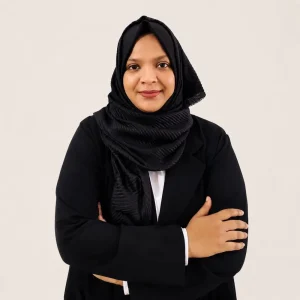
- Samsun Nahar, Assistant Clinical Psychologist
- Clinically reviewed by
- Mst. Swampa, Senior Clinical Psychologist, BCPS member
- Last updated
- September 1, 2026
Every Chum article is written for people in Bangladesh by a Chum psychologist or our editorial team, and reviewed by a senior clinical psychologist. How we review · Report an error
Where to go from here
Three next steps, from lightest to most support.

Keep Reading
Psychologists who help with depression
Book a confidential session with a licensed psychologist at Chum Wellness.