Behavioral Disorders List: Diagnosing & Understanding Children Issues

Understanding how children behave is very important. In this article, we share a behavioral disorders list that covers many common problems. We aim to help you learn the signs, diagnosis, and ways to help a child who shows unusual behavior. Read on to learn about many types of behavioral disorders in children and the role child psychologists play in diagnosis and intervention.
What are the common behavioral disorders in children?
The most common behavioral disorders in children include:
- Attention Deficit Hyperactivity Disorder (ADHD)
- Oppositional Defiant Disorder (ODD)
- Conduct Disorder (CD)
- Anxiety Disorders
- Depressive Disorders
- Disruptive Mood Dysregulation Disorder (DMDD)
- Autism Spectrum Disorder (ASD)
- Tic Disorders
- Specific Learning Disorders
- Selective Mutism
What Are Behavioral Disorders in Children?
Behavioral disorders affect how children act and feel. They can change a child’s life. Many kids show signs of these disorders. The signs may be mild at first. They can grow worse over time. That is why early help is key.
Behavioral disorders are not the same for every child. Some kids may act out. Others may seem sad or withdrawn. Each disorder has its own set of signs. They can also overlap. It is important to have a proper check-up.
Child behavior can be a window to their inner world. When a child shows too many bad signals, it can be hard for parents to know what to do. A clear behavioral disorders list helps parents see what signs to look for. It also guides health experts. Child psychologists are very important in this work.
They talk with the child. They watch how the child plays. They also ask parents questions. They use tests and checklists. They use known guides like the DSM-5. With these tools, they form a clear picture of what a child feels and does. A child’s daily actions may hide a deeper problem.
Many children do not show the full picture at school or home. Some act well with friends but show anger at home. Others may be very shy in public. This makes the work of a child psychologist vital. They can see small hints that others may miss. They know how to use tests and careful questions to decide if a child needs help.
When you look at our behavioral disorders list, you will see many types of issues. Some of them are common. Others are rarer. But all of them matter. Early detection is key. It helps children grow strong and happy.
What Are the Common Behavioral Disorders in Children?
A Detailed List and Explanation
Below is a detailed look at many behavioral disorders. This list is not all that exists but covers the common ones. The list is meant to give you a strong guide. For each disorder, we give simple facts and signs. Short sentences help keep the ideas clear.
1. Attention Deficit Hyperactivity Disorder (ADHD)
- Overview: ADHD is common. Kids with ADHD may be very active. They may find it hard to sit still.
- Signs: Short attention span, impulsive actions, and difficulty following rules.
- Impact: This disorder can make school work and play hard.
- Help: Behavioral therapy, clear routines, and sometimes medicine help.
ADHD Prevalence Among Children
2. Oppositional Defiant Disorder (ODD)
- Overview: ODD means a child often says “no” to rules. They may argue a lot.
- Signs: Frequent temper tantrums, defiance, and hostility toward adults.
- Impact: It can make family life hard. It may lead to more severe problems if unchecked.
- Help: Counseling, parental training, and sometimes behavioral therapy work best.
3. Conduct Disorder (CD)
- Overview: Conduct disorder is more serious. It shows in breaking rules.
- Signs: Aggression, lying, theft, and property destruction.
- Impact: It can harm school and peer relations.
- Help: Early intervention is key. Therapy and sometimes special programs help.
4. Anxiety Disorders
- Overview: Anxiety in children comes in many forms. It is not one single disorder.
- Signs: Excessive worry, fear of separation, and physical symptoms like stomach pain.
- Subtypes:
- Separation Anxiety Disorder: Fear of being apart from parents.
- Social Anxiety Disorder: Fear of social settings.
- Generalized Anxiety Disorder: Persistent worry about many things.
- Impact: Anxiety can lower a child’s quality of life.
- Help: Counseling, play therapy, and sometimes mild medicines are used.
5. Depressive Disorders
- Overview: Depression in children is not rare.
- Signs: Persistent sadness, loss of interest, and low energy.
- Impact: It can affect school performance and social life.
- Help: Counseling, therapy, and sometimes a small dose of medicine help a lot.
6. Disruptive Mood Dysregulation Disorder (DMDD)
- Overview: DMDD is marked by severe temper swings.
- Signs: Frequent outbursts and a persistently irritable mood.
- Impact: It may lead to social and school problems.
- Help: Treatment involves therapy and support at home.
7. Autism Spectrum Disorder (ASD)
- Overview: ASD is a spectrum of disorders.
- Signs: Difficulties with social interactions and communication. Many kids show repetitive behaviors.
- Impact: It may affect learning and social skills.
- Help: Early therapy and specialized teaching methods are very helpful.
8. Tic Disorders
- Overview: Tic disorders cause sudden, repetitive movements or sounds.
- Signs: Blinking, throat clearing, or jerky movements.
- Impact: They can be mild or disruptive.
- Help: Behavioral therapy helps to lessen these tics.
9. Specific Learning Disorders
- Overview: These disorders affect how a child learns.
- Signs: Trouble with reading, writing, or math.
- Impact: They affect school work and self-esteem.
- Help: Special tutoring and therapy can improve skills.
10. Adjustment Disorder
- Overview: This disorder happens after a change.
- Signs: Sadness, anger, or anxiety after a major life event.
- Impact: It can last a few weeks to months.
- Help: Counseling and supportive care ease the stress.
11. Reactive Attachment Disorder (RAD)
- Overview: RAD comes from early neglect.
- Signs: Lack of trust in caregivers and little social bonding.
- Impact: It affects social and emotional growth.
- Help: Therapy and stable care are crucial.
12. Selective Mutism
- Overview: This disorder is about speech.
- Signs: A child may not speak in social settings.
- Impact: It can hinder school and friendships.
- Help: Therapy and gradual exposure to social situations work best.
13. Sleep Disorders
- Overview: Some children have sleep problems.
- Signs: Difficulty falling asleep, nightmares, or unusual sleep patterns.
- Impact: Poor sleep can affect mood and behavior.
- Help: Sleep hygiene, routines, and sometimes counseling help.
14. Feeding and Eating Disorders (in young children)
- Overview: These are rare in very young kids.
- Signs: Extreme pickiness or refusal to eat.
- Impact: They may lead to nutritional problems.
- Help: Work with a pediatrician and child psychologist.
15. Substance-Related Behavioral Disorders (in older children)
- Overview: Some older children may experiment with drugs.
- Signs: Changes in behavior, mood swings, and poor school performance.
- Impact: It can lead to long-term harm.
- Help: Early counseling and family support are needed.
Chart Integration:
To help you see the trends, here is a simple pie chart concept (inserted inline where it clarifies the topic):/
Prevalence of Common Behavioral Disorders in Children
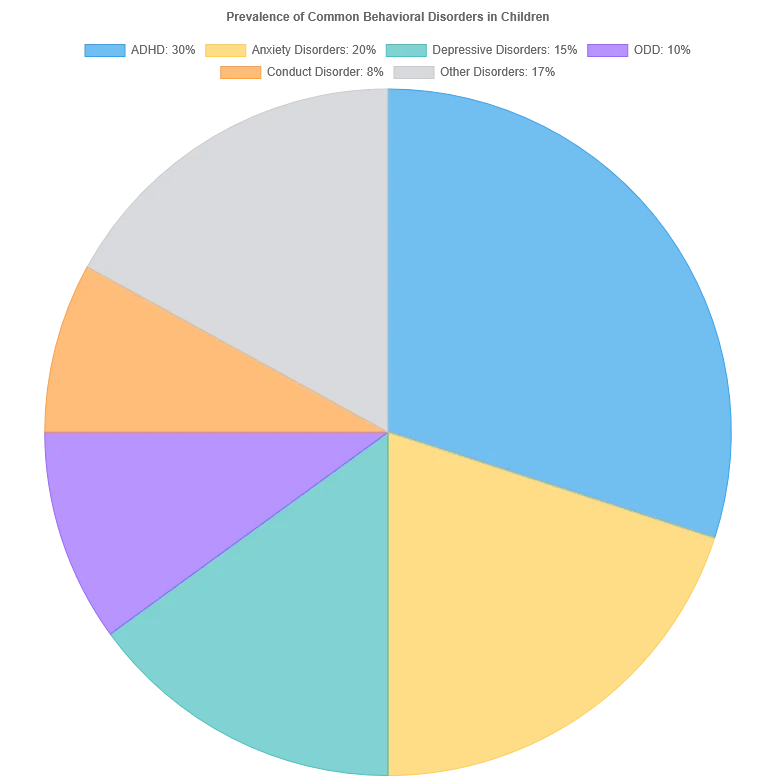
This chart is based on trends from recent studies. It gives you a clear view of which disorders are most common.
How Do Child Psychologists Diagnose Behavioral Disorders?
Child psychologists are key experts. They help by looking at many signs. They speak with the child and family. They use interviews and tests. They also watch how the child behaves in play. Their goal is to catch small signs early.
What Steps Are Taken in a Diagnosis?
- Initial Screening:
A child’s behavior is first noted by parents or teachers. If there are concerns, a professional is asked to help. This screening is the first step. - Detailed Interviews:
The psychologist talks with the child. They also speak with parents and teachers. Questions are clear and simple. They ask about daily habits and feelings. - Observation:
The child is observed in different settings. The psychologist watches how the child interacts. Play is used to see natural behavior. Short, guided activities help the psychologist see more. - Standardized Tests:
Tests are used to check a child’s skills. These tests compare the child to others of the same age. They help to find areas of weakness or stress. - Feedback Sessions:
After tests, the psychologist meets with the family. They share the results in clear language. They also suggest steps for help.
Why Is This Process Important?
The process is simple. It helps to know the exact problem. With clear answers, parents can act quickly. Early help stops problems from growing. The process uses many tools. It is based on trusted guides like the DSM-5. The child’s comfort is key at every step.
Child psychologists make sure that the child feels safe. They use a friendly tone. They ask clear questions. They keep sentences short. Their work is both science and care. Their goal is to see the child do well in school and life.
What Role Does Technology Play?
Today, many tests use computers. Data is collected with care. Some tests use games to learn about attention span. These tools are fun and clear. They help the psychologist get a full view of the child’s mind.
How Can Parents Help During Diagnosis?
Parents play a big role. They share daily routines and changes. They also report any unusual events. Their help makes diagnosis strong. They can track progress with simple charts. For example, a line graph can show behavior changes over weeks.
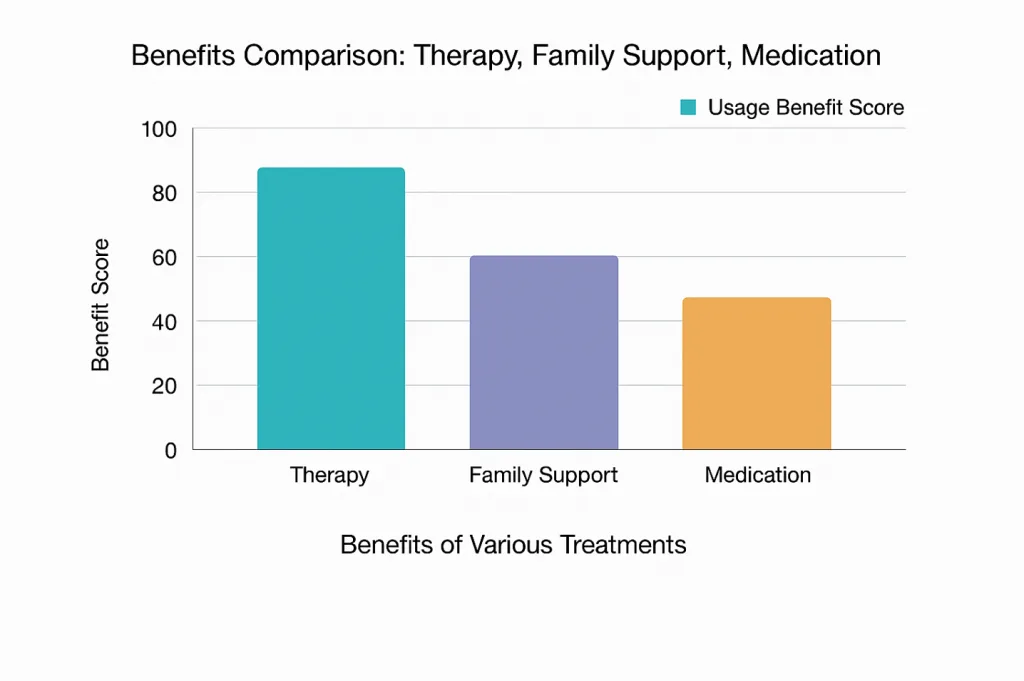
What Treatments and Interventions Help Manage Behavioral Disorders?
When a disorder is diagnosed, there is hope. Many treatments work well. They are chosen based on the child’s needs. Here are some common treatments.
Behavioral Therapy
Behavioral therapy is a first step. It is simple and clear. A child learns new ways to act. Sessions are short. Parents often join. They learn to help at home too.
- Benefits:
- Helps change bad habits.
- Builds a routine.
- Uses clear rewards and small steps.
Cognitive Behavioral Therapy (CBT)
CBT is a type of therapy that works on thoughts and actions. It teaches kids how to change negative thoughts. The sessions are simple. A child learns to see problems in a new light.
- Benefits:
- Reduces anger and fear.
- Improves problem solving.
- Builds self-esteem.
Parent Training and Family Therapy
Parents need help too. Family sessions are common. A trained therapist guides the family. They learn clear, kind ways to talk. They also learn new methods to support the child.
- Benefits:
- Creates a calm home.
- Improves communication.
- Supports the child’s growth.
Social Skills Training
Some children have trouble with friends. Social skills training is fun. It teaches a child to share and listen. Role play is common. This training helps a child join group play with ease.
School-Based Interventions
Schools help a lot. Teachers and counselors work with the child. They may change the class setup. Small groups and extra time on work can help a child focus. These changes make school life better.
Medication
Sometimes, medicine is used. It is not a cure. It helps reduce symptoms. A doctor decides if medicine is needed. Medicine is always given with care. It is paired with therapy.
Combining Treatments
Often, a mix of these methods works best. The psychologist makes a plan. They check progress regularly. Adjustments are made along the way. The focus is always on the child’s well-being.
Frequently Asked Questions About Behavioral Disorders
How Do I Know if My Child Has a Behavioral Disorder?
Watch for signs. Look for changes in mood. See if the behavior disrupts daily life. Ask teachers for input. A child psychologist can help answer these questions.
What Are the First Steps to Take?
Talk to your child’s teacher. Keep a simple journal of behaviors. Schedule an appointment with a child psychologist. Early checks are very helpful.
Can Behavioral Disorders Be Treated?
Yes. Many treatments work well. Therapy, clear routines, and family support are key. Medicine may help in some cases. With care, a child can improve.
How Do Visual Aids Help in Treatment?
Charts and graphs show progress. They make changes clear. Visual tools help both parents and children see success. They are simple and engaging.
What Role Does the School Play?
Schools help a lot. Teachers can adjust the class routine. They work with psychologists. A supportive school can boost a child’s progress.
Are There Long-Term Solutions?
Yes. With early help, many children improve. Ongoing support is important. A mix of therapy and support at home makes a big change.
Disclaimer: This article is for informational purposes only. It is not a substitute for professional mental health advice, diagnosis, or treatment. If you are struggling, please speak with a qualified mental health professional.
Related Reading
- 8 Signs You Need a Psychologist in Bangladesh
- Depression Symptoms: What to Look For & When to Get Help
- Breathing Exercises for Stress and Mental Wellness
Frequently Asked Questions
- What are the most common behavioural disorders in children?
The most common behavioural disorders in children include ADHD (Attention Deficit Hyperactivity Disorder), Oppositional Defiant Disorder (ODD), Conduct Disorder, and autism spectrum disorder. Each presents differently and requires individual assessment by a qualified child psychologist.
- When should a parent seek professional help for a child’s behaviour?
Seek professional assessment when behaviour is persistent (occurring most days for more than 6 weeks), significantly impacts school, friendships, or family life, or involves serious aggression, self-harm, or distress. Earlier assessment leads to better outcomes.
- Can CBT help children with behavioural disorders?
Yes. Cognitive Behavioural Therapy is one of the most evidence-based approaches for childhood behavioural difficulties. It helps children understand the connection between thoughts, feelings, and behaviour, and builds practical coping and self-regulation skills.
- Is medication always required for behavioural disorders in children?
Not always. For many presentations, psychological therapy – particularly CBT and family-based approaches – is effective without medication. Medication may be recommended by a psychiatrist for some conditions (such as ADHD) when therapy alone is insufficient.
Get the support you need from our licensed professionals today. Both online and in-person sessions are available.
Want to Learn More?
Understanding the clinical and emotional dimensions of depression is crucial for recovery. For globally recognized research and extensive reading on mood disorders, explore the comprehensive resources provided by the National Institute of Mental Health (NIMH) on Depression.
For professional support, child counselling in Dhaka, or book a session.
Keep Reading
Talk to our psychologists
Book a confidential session with a licensed psychologist at Chum Wellness.
- Sirajum Monira — Clinical Psychologist
- Md. Hafizur Rahman — Assistant Clinical Psychologist
- Dilara Jahan — Clinical Psychologist