Breathing Exercises Techniques to Remove Stress
- Why Breathing Exercises Matter
- Step-by-Step Guide to a Simple Breathing Exercise
- The Science Behind Breathing Exercises
- Make It a Daily Habit
- A New Year, a Healthier You
- Why Breathing Exercises Help Mental Wellness
- When to Use Breathing Exercises
- 5 Evidence-Based Breathing Techniques
- Building a Daily Practice in Bangladesh
- The Limits of Breathing Exercises
- Frequently Asked Questions
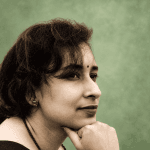
Simple Breathing Techniques to Reduce Stress and Boost Mental Clarity – A Step Toward Inner Peace
- এই লেখায় বিষয়টি সহজ ভাষায় ব্যাখ্যা করা হয়েছে, যাতে আপনি লক্ষণ, কারণ ও করণীয় বুঝতে পারেন।
- মানসিক স্বাস্থ্য নিয়ে উদ্বেগ থাকলে নিজে নিজে সিদ্ধান্ত না নিয়ে যোগ্য পেশাদারের সহায়তা নেওয়া ভালো।
- চাম ওয়েলনেসে অনলাইন বা ঢাকায় সরাসরি সেশন নেওয়ার সুযোগ আছে।

2025 has begun, and with it comes new opportunities to prioritize your mental and physical well-being. One of the simplest yet most powerful tools for reducing stress and finding calm is something we do every day: breathing. In this blog, we’ll explore how intentional breathing exercises can transform your mental health and set the tone for a peaceful year ahead.
This article is part of a wider guide. For the full picture, treatment options and which psychologists can help, see stress and burnout counselling in Bangladesh.
Why Breathing Exercises Matter
| Exercise | How To Do It | Duration | Best For |
|---|---|---|---|
| 4-7-8 Breathing | Inhale 4s → hold 7s → exhale 8s | 4 cycles, 2x/day | Anxiety, sleep problems |
| Box Breathing | Inhale 4s → hold 4s → exhale 4s → hold 4s | 4 minutes | Acute stress, focus |
| Belly (Diaphragmatic) Breathing | Breathe into stomach, not chest; hand on belly to feel rise | 5-10 minutes | General relaxation |
| Alternate Nostril (Nadi Shodhana) | Close right nostril → inhale left → switch → exhale right | 5 minutes | Balance, mental clarity |
| Resonant Breathing | Inhale 5s → exhale 5s (6 breaths/minute) | 10 minutes | Heart rate, calm |
| Pursed Lip Breathing | Inhale through nose 2s → exhale through pursed lips 4s | 10 minutes | Panic, breathlessness |
Stress and anxiety can feel overwhelming, but your breath is a natural way to regain control. By focusing on your breathing, you can:
- Shift your mind from stress to the present moment.
- Lower your heart rate and blood pressure.
- Release tension in your body.
- Promote mental clarity and emotional balance.
Step-by-Step Guide to a Simple Breathing Exercise
Here’s a quick and effective technique you can try anywhere:
- Find Your Calm Space: Choose a quiet spot to sit or lie down comfortably.
- Prepare: Close your eyes and take a few deep breaths in through your nose and out through your mouth, exhaling slowly.
- Start the Cycle:
- Inhale deeply through your nose for 4 seconds.
- Hold your breath for 4 seconds.
- Exhale slowly through your mouth for 6 seconds.
- Repeat: Continue this cycle for 3-5 minutes or until you feel relaxed and centered.
Try it now
Two minutes. Read one step, then look up and do it.
Look around. Name five things you can see.
Say them in your head, slowly.
Ready
4 seconds in · 4 hold · 4 out · 4 hold
The Science Behind Breathing Exercises
Breathing exercises activate the parasympathetic nervous system, responsible for the “rest and digest” response. This helps counteract the “fight or flight” mode triggered by stress. Studies have shown that mindful breathing can improve focus, reduce cortisol levels, and even enhance sleep quality.
Make It a Daily Habit
Consistency is key when it comes to reaping the benefits of breathing exercises. Consider integrating this practice into your daily routine:
- Start your day with a calming breathing session.
- Take short breathing breaks during work or study.
- Use this technique to wind down before bedtime.
A New Year, a Healthier You
As 2025 unfolds, let’s commit to small but impactful changes that prioritize our mental well-being. Breathing exercises are a simple, accessible way to manage stress and stay grounded in a fast-paced world.
Take a deep breath and start your wellness journey today with Chum Wellness. Your calm, balanced self awaits!
Disclaimer: This article is for informational purposes only. It is not a substitute for professional mental health advice, diagnosis, or treatment. If you are struggling, please speak with a qualified mental health professional.
Why Breathing Exercises Help Mental Wellness
When we experience stress or anxiety, the sympathetic nervous system activates – heart rate rises, breathing becomes shallow, muscles tense. This is the “fight or flight” response. Controlled breathing exercises directly activate the parasympathetic nervous system – the body’s “rest and digest” mode – counteracting this stress response within minutes.
This is not simply relaxation advice. Diaphragmatic breathing has measurable effects on heart rate variability, cortisol levels, and brain activation patterns associated with anxiety and depression. It is used as a component of Cognitive Behavioural Therapy, EMDR, and mindfulness-based interventions precisely because of this physiological mechanism.
When to Use Breathing Exercises
Breathing exercises are most useful in two contexts:
- As a daily practice – 10 minutes of structured breathing each day builds a baseline of calm and resilience, reducing your overall stress reactivity over time
- As an in-the-moment tool – when you feel anxiety rising, anger building, or a panic attack starting, a specific breathing technique can interrupt the stress response within 2-3 minutes
For best results, practise the technique daily when you are calm – so it is automatic when you need it under pressure.
5 Evidence-Based Breathing Techniques
1. Diaphragmatic (Belly) Breathing
The foundation of all controlled breathing. Most adults breathe shallowly into the chest – diaphragmatic breathing re-engages the diaphragm for fuller, calmer breaths.
How to do it:
- Sit or lie comfortably. Place one hand on your chest, one on your belly.
- Breathe in slowly through your nose for 4 counts. Your belly should rise; your chest should stay relatively still.
- Breathe out slowly through your mouth for 6 counts. Feel your belly fall.
- Repeat for 5-10 minutes.
Best for: General stress reduction, anxiety, daily practice.
2. 4-7-8 Breathing
Developed by Dr. Andrew Weil, this technique is particularly effective for acute anxiety and for falling asleep.
How to do it:
- Exhale completely through your mouth.
- Inhale quietly through your nose for 4 counts.
- Hold your breath for 7 counts.
- Exhale completely through your mouth for 8 counts.
- Repeat 3-4 cycles.
Best for: Acute anxiety, pre-sleep relaxation, interrupting panic.
3. Box Breathing (Square Breathing)
Used by military personnel, athletes, and first responders for rapid stress regulation under pressure. Simple to remember, quick to activate.
How to do it:
- Inhale through your nose for 4 counts.
- Hold for 4 counts.
- Exhale through your mouth for 4 counts.
- Hold for 4 counts.
- Repeat 4-6 cycles.
Best for: High-pressure moments, pre-performance anxiety, anger management.
4. Alternate Nostril Breathing (Nadi Shodhana)
A yoga-derived technique with evidence for reducing anxiety and improving heart rate variability. Particularly effective for mental clarity and nervous system balance.
How to do it:
- Sit comfortably. Close your right nostril with your right thumb.
- Inhale through your left nostril for 4 counts.
- Close your left nostril with your ring finger. Release your thumb.
- Exhale through your right nostril for 4 counts.
- Inhale through your right nostril for 4 counts.
- Switch: close right, open left, exhale left.
- This is one cycle. Repeat 5-10 cycles.
Best for: Mental clarity, stress reduction, daily meditation practice.
5. Resonant (Coherent) Breathing
Breathing at approximately 5-6 breaths per minute maximises heart rate variability – a key indicator of nervous system health and stress resilience. This is the breathing rate at which the cardiorespiratory and cardiovascular systems synchronise.
How to do it:
- Inhale slowly through your nose for 5-6 seconds.
- Exhale slowly through your nose for 5-6 seconds.
- No holds – just a continuous, slow, smooth cycle.
- Continue for 10-20 minutes for maximum benefit.
Best for: Building long-term stress resilience, PTSD and trauma recovery (as an adjunct to therapy).
Building a Daily Practice in Bangladesh
Consistency matters more than duration. Even 5 minutes of daily practice produces measurable benefits within 4-6 weeks. Some practical suggestions for building the habit:
- Attach it to an existing habit – after waking, before Fajr prayer, during your commute (as a passenger), or before sleep
- Start with one technique – box breathing or 4-7-8 are the simplest to learn. Master one before adding others.
- Use guided apps – Insight Timer (free) has excellent guided breathing sessions in English
- Notice the effect – tracking how you feel before and after sessions reinforces the habit
The Limits of Breathing Exercises
Breathing techniques are powerful tools – but they are not a substitute for professional support when anxiety, stress, or depression is significant. They work best as:
- A daily practice for general wellbeing
- A coping skill used alongside therapy – many CBT therapists teach breathing techniques as part of treatment
- A first-response tool while waiting for a therapy appointment
If stress, anxiety, or low mood is significantly affecting your day-to-day life, breathing exercises alone are unlikely to be sufficient. A qualified psychologist can provide the structured support that creates lasting change.
Frequently Asked Questions
- When should I seek professional help for breathing exercises for stress?
Seek professional support if breathing exercises for stress symptoms persist for more than two weeks, significantly affect daily functioning, or impact your relationships and work. Early intervention leads to substantially better outcomes. Chum Wellness therapists are available in Dhaka and online.
- How is breathing exercises for stress treated by professionals?
Professional treatment often combines psychotherapy (such as CBT), structured counselling, and in some cases medication from a psychiatrist. Chum Wellness offers evidence-based therapy tailored to each individual.
- Can therapy in Bangladesh help with breathing exercises for stress?
Yes. Licensed therapists at Chum Wellness use evidence-based techniques to help clients manage breathing exercises for stress, build lasting coping skills, and improve overall wellbeing. Sessions are available in person in Dhaka or online from anywhere in Bangladesh.
Get the support you need from our licensed professionals today. Both online and in-person sessions are available.
Want to Learn More?
Understanding the clinical and emotional dimensions of depression is crucial for recovery. For globally recognized research and extensive reading on mood disorders, explore the comprehensive resources provided by the National Institute of Mental Health (NIMH) on Depression.
Sometimes self-help isn’t enough, and that’s okay. You can talk to a licensed psychologist at Chum Wellness, online across Bangladesh or in person in Dhaka.
How this article was made
- Written by
- Mostak Ahamed Imran, Psychologist & Trainer
- Clinically reviewed by
- Mst. Swampa, Senior Clinical Psychologist, BCPS member
- Last updated
- August 6, 2026
Every Chum article is written for people in Bangladesh by a Chum psychologist or our editorial team, and reviewed by a senior clinical psychologist. How we review · Report an error
Where to go from here
Three next steps, from lightest to most support.

Keep Reading
Psychologists who help with anxiety & stress
Book a confidential session with a licensed psychologist at Chum Wellness.

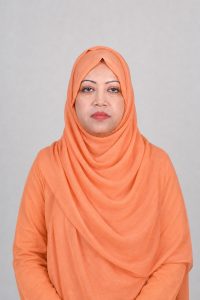
Mst. Moslema Afruzzahan is a Assistant Clinical Psychologist & Psychotherapist based in Mohammadpur, Dhaka. With 10+ years of experience, they support clients with depression, anxiety, OCD, trauma & PTSD, academic & study stress and workplace wellbeing. Sessions are available online across Bangladesh and in person…